
$5,000.00
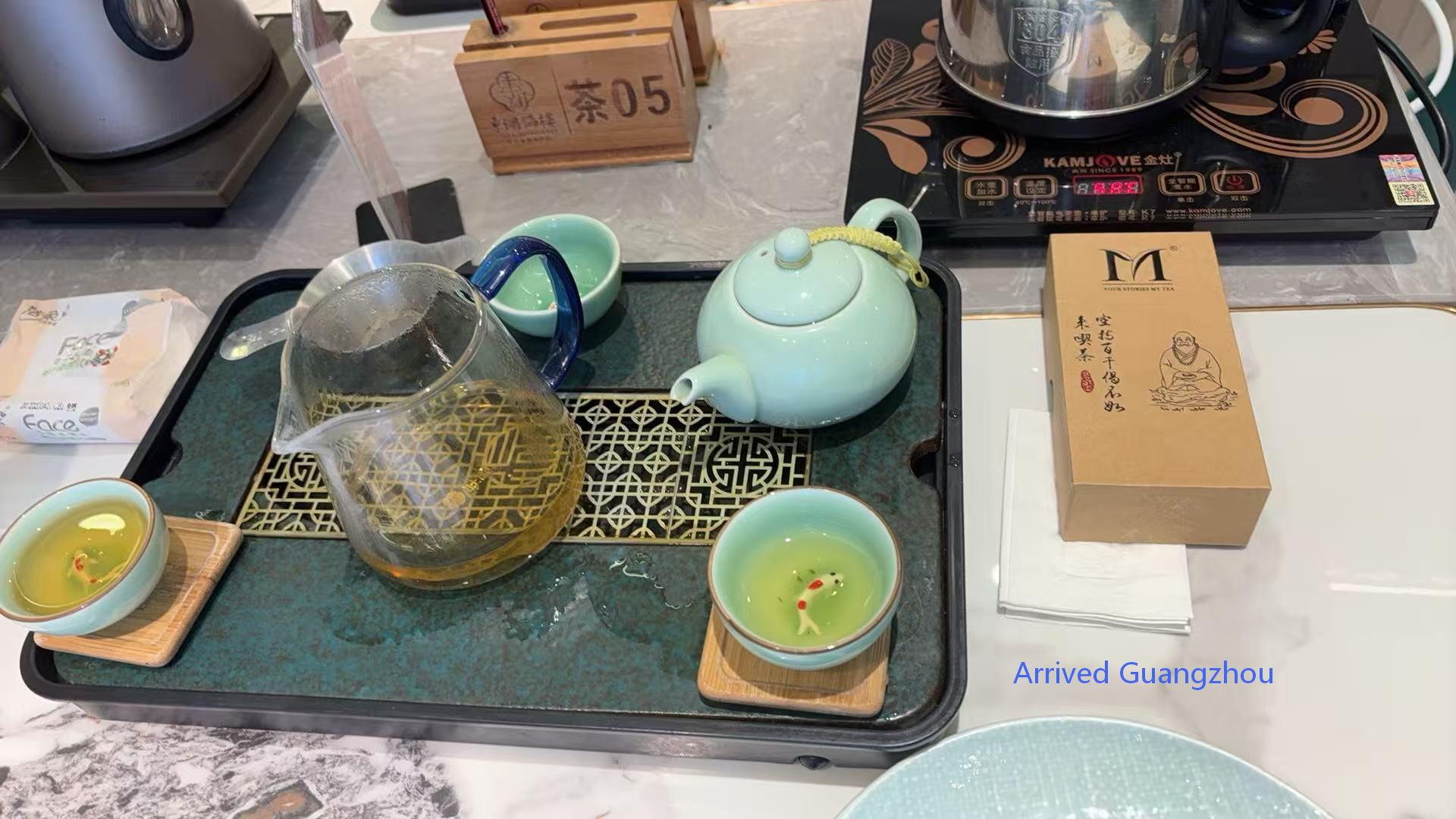
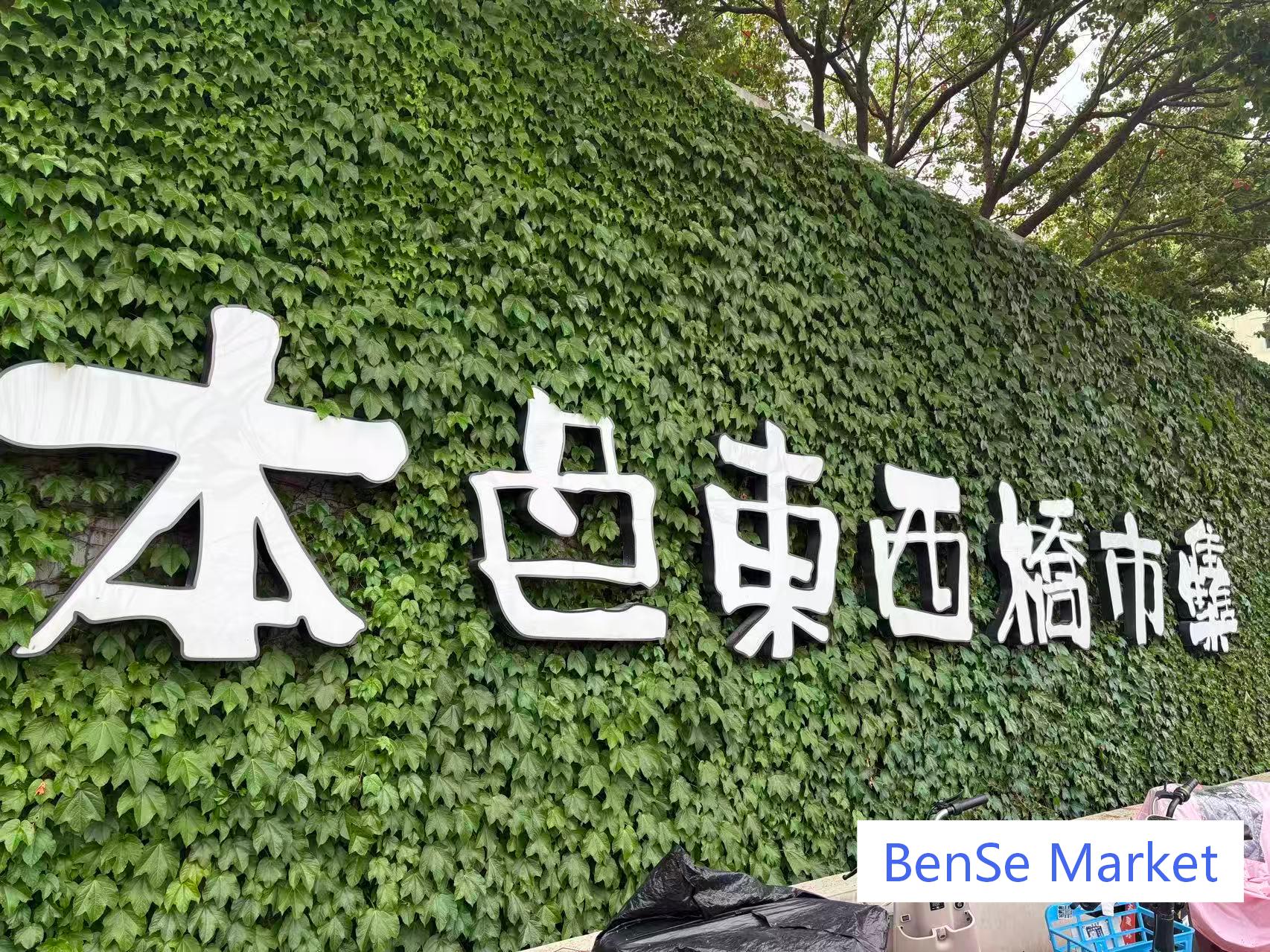
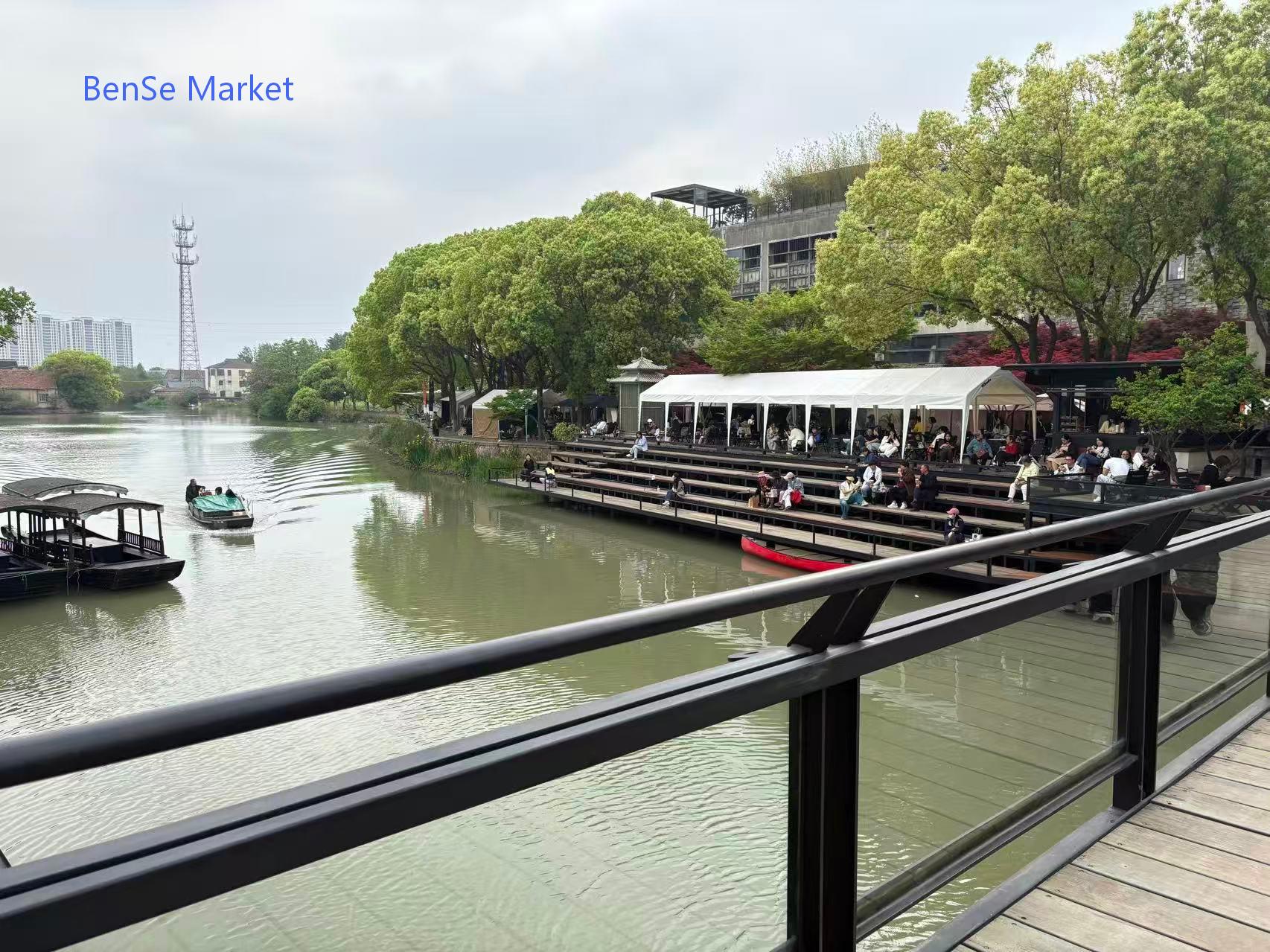
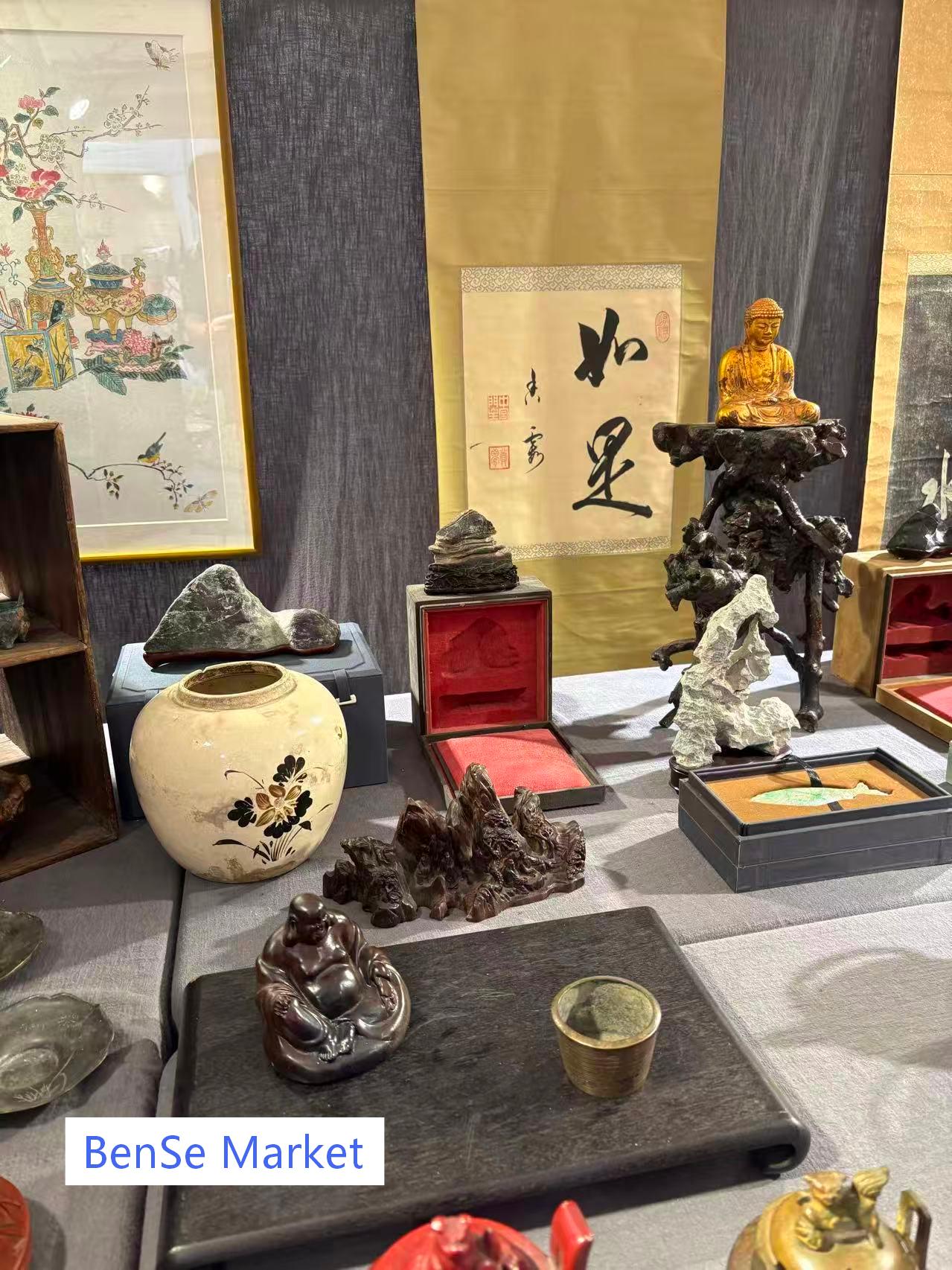
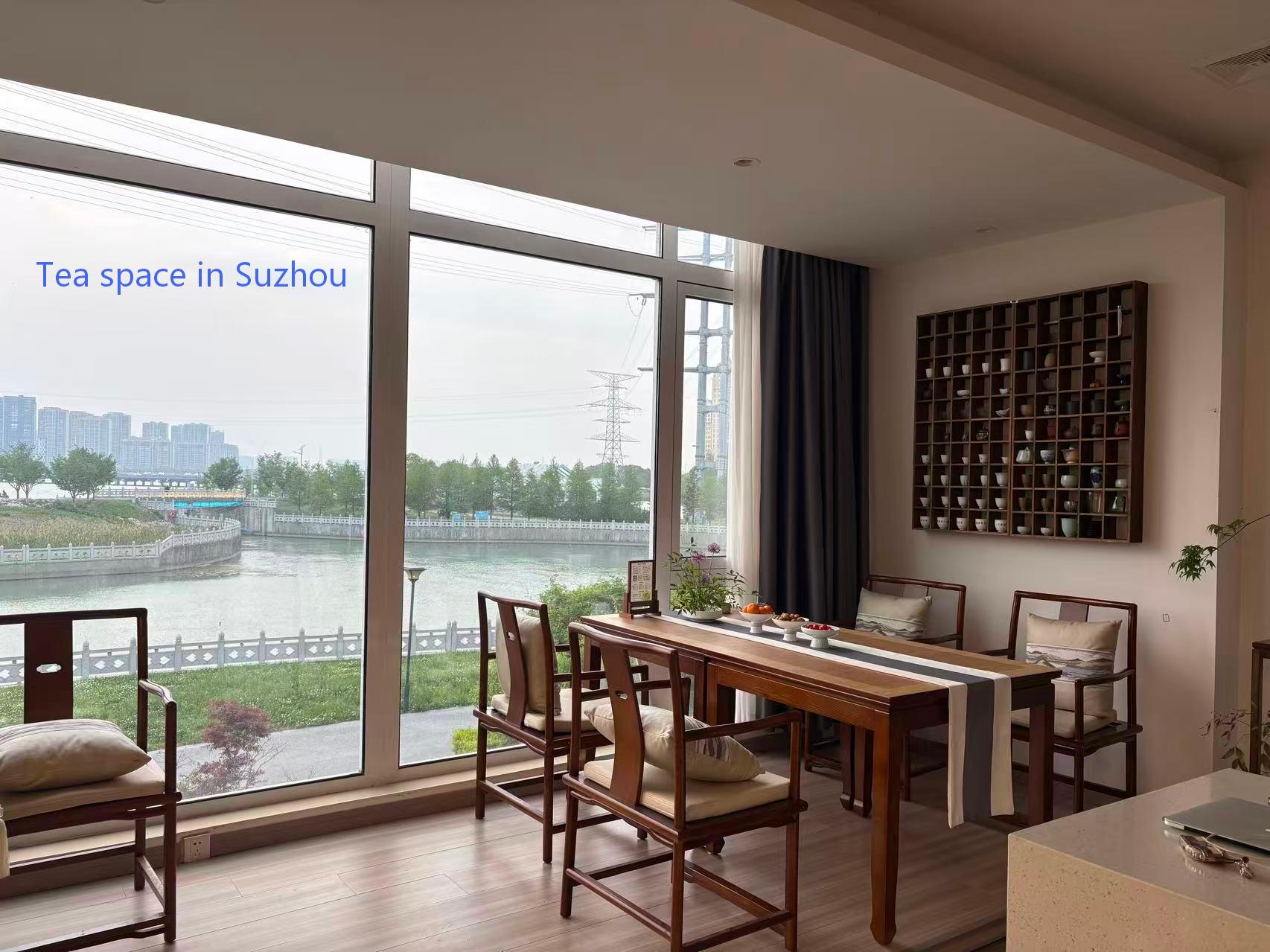
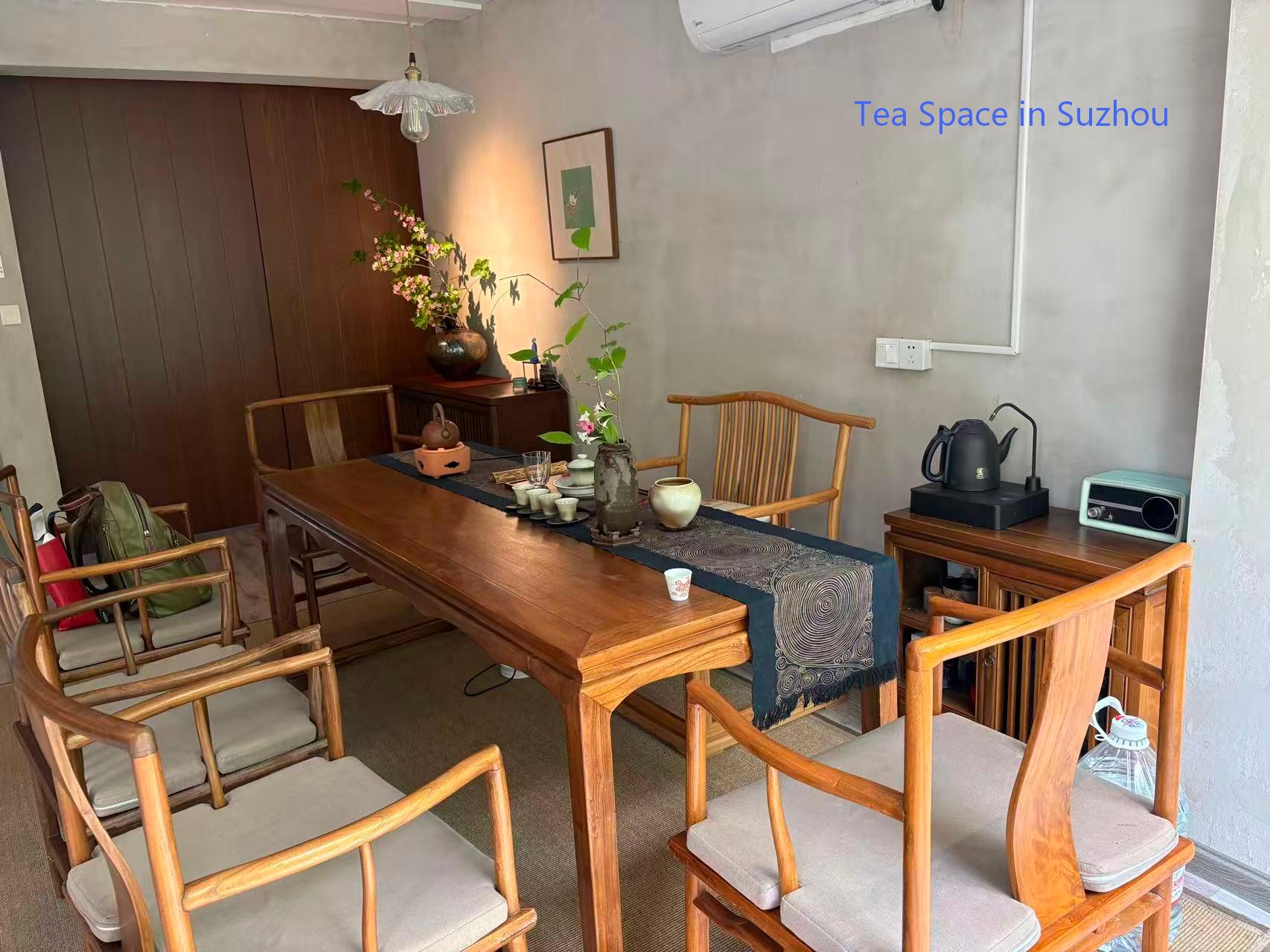
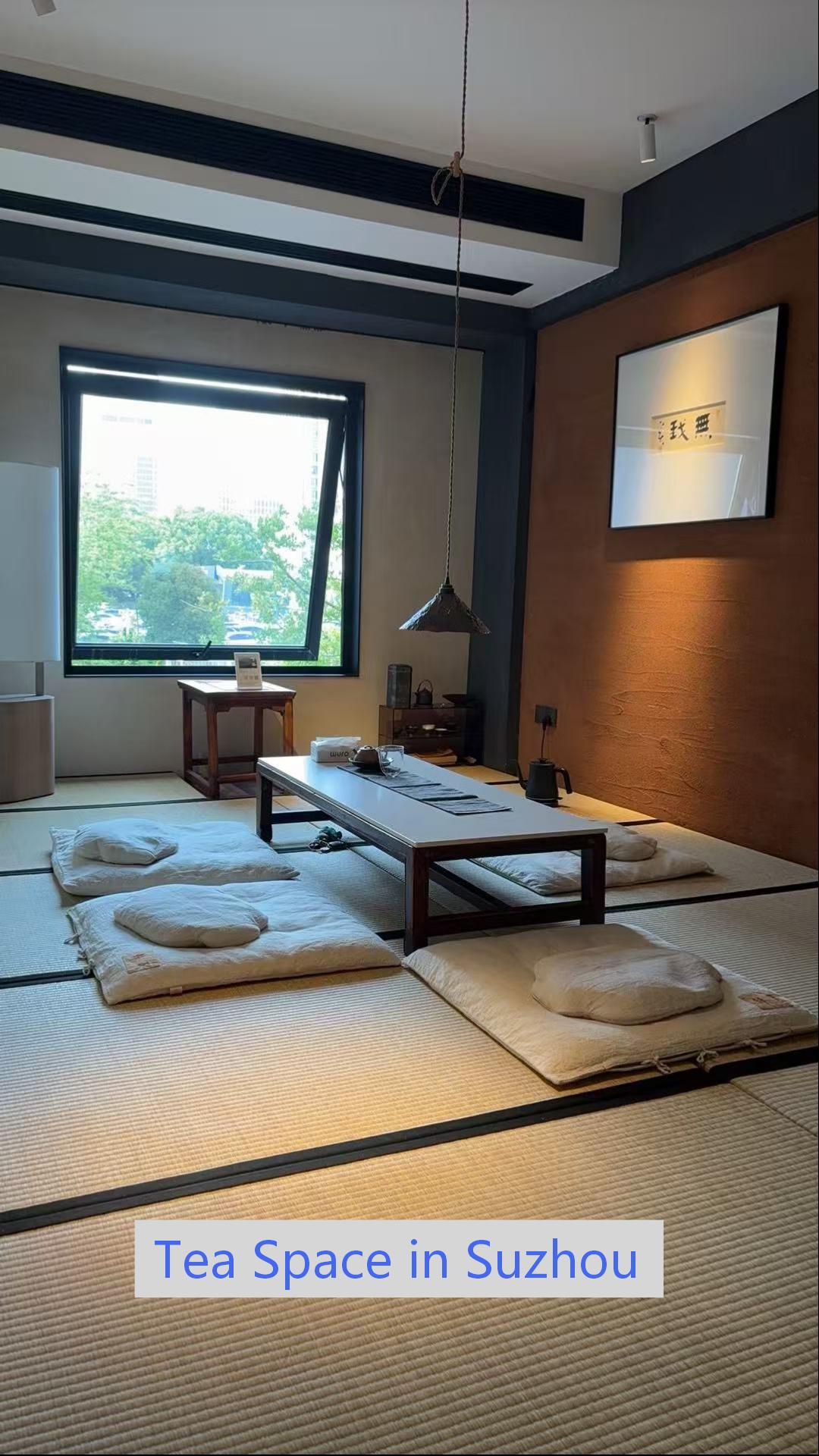
Our 2025 tea journey began in Guangzhou on 20 April, before travelling to Suzhou for Bense Market, where we explored contemporary tea culture, craftsmanship and beautifully designed tea-related objects.
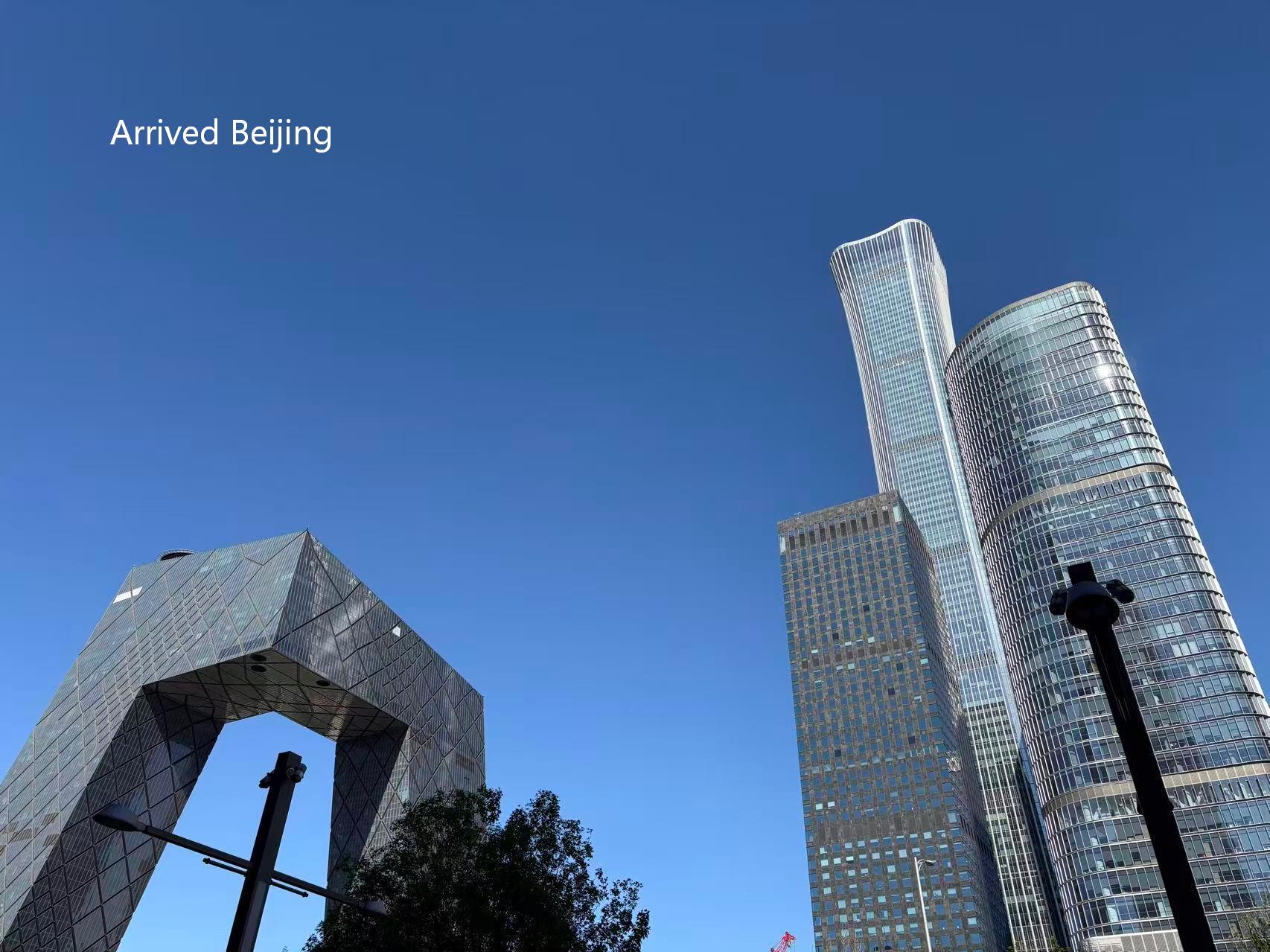
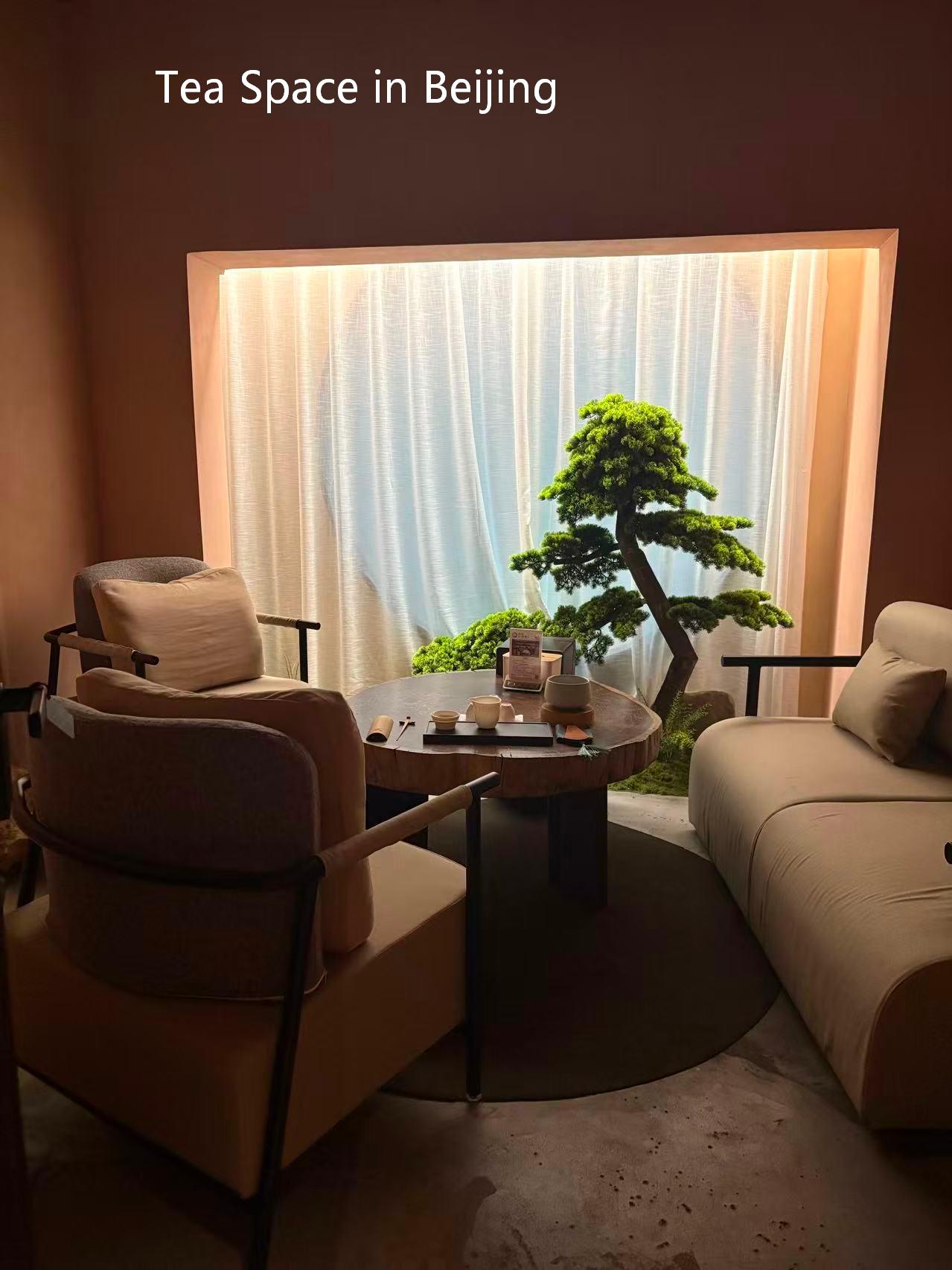
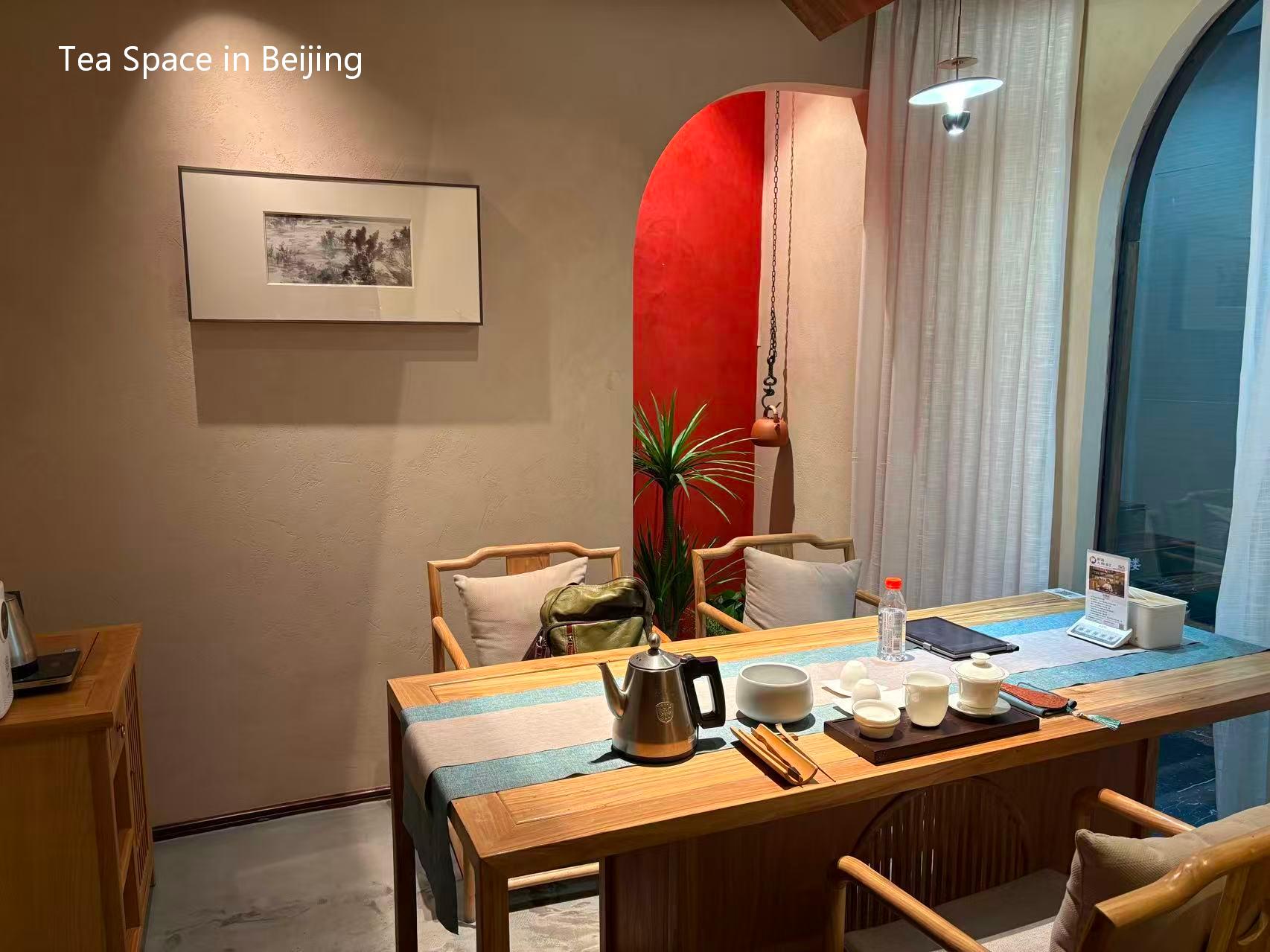
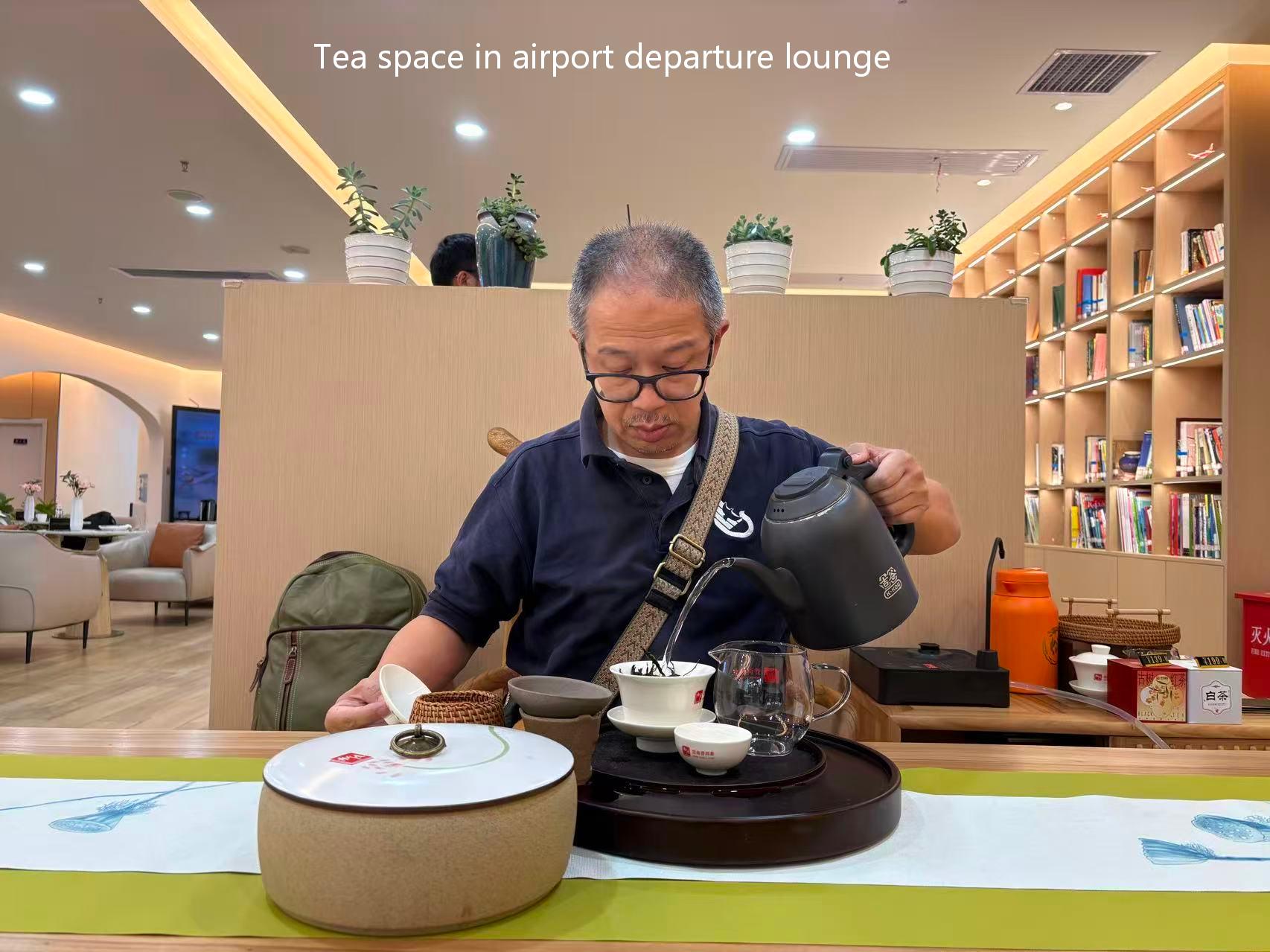
From there, we travelled north to Beijing, experiencing a different expression of Chinese tea through its contemporary tea spaces, before heading south again into the heart of China’s tea country.
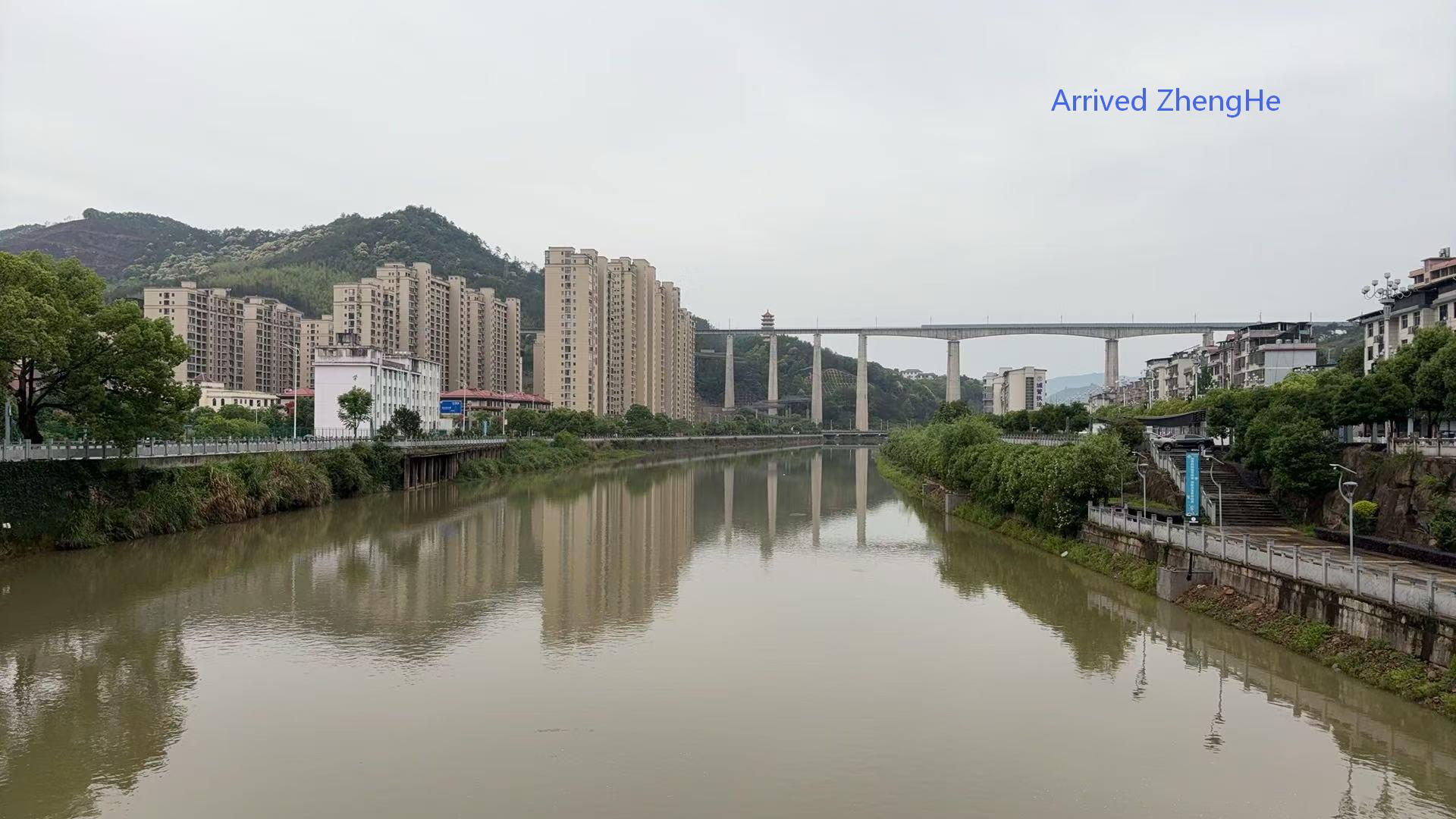
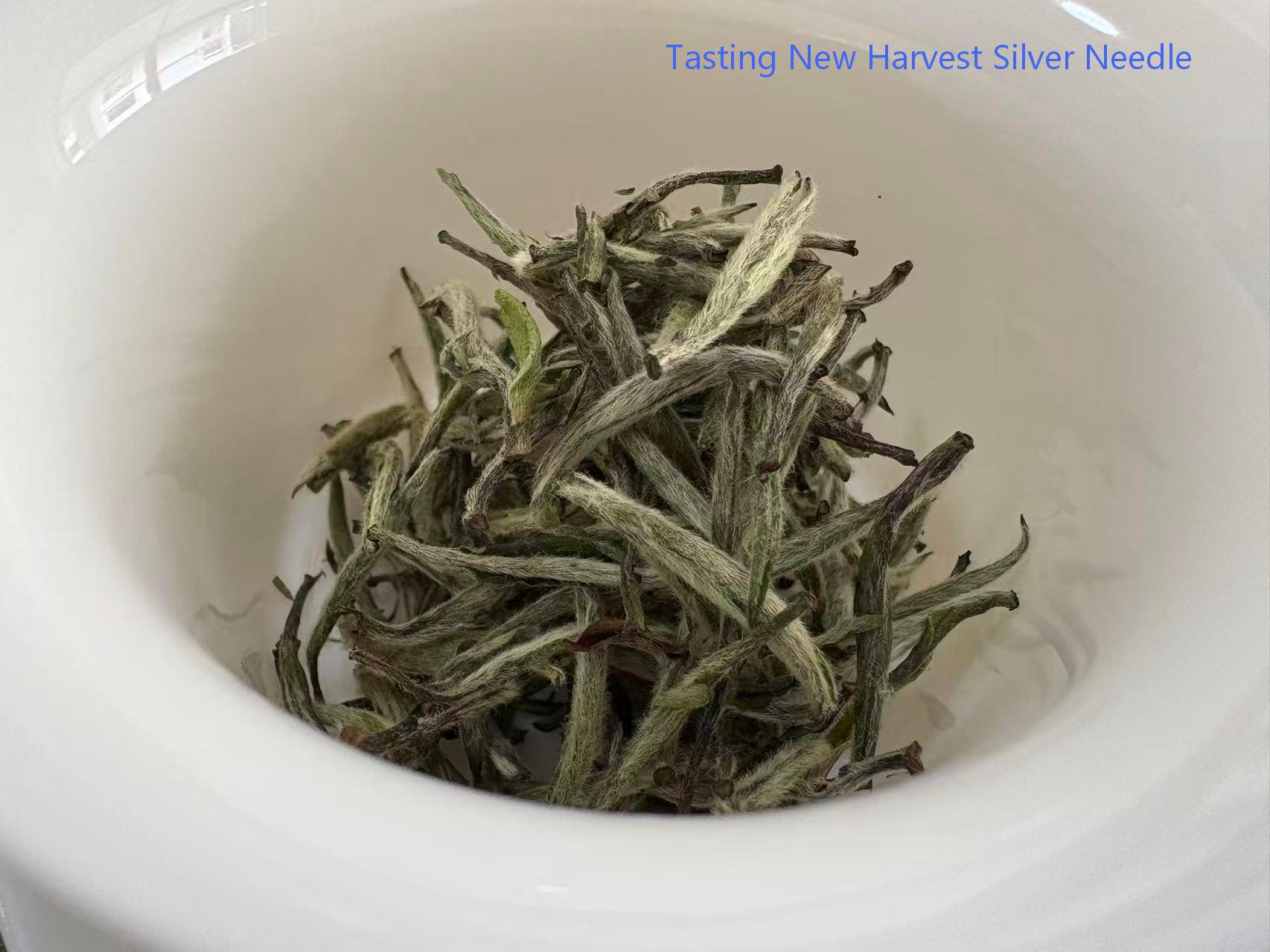
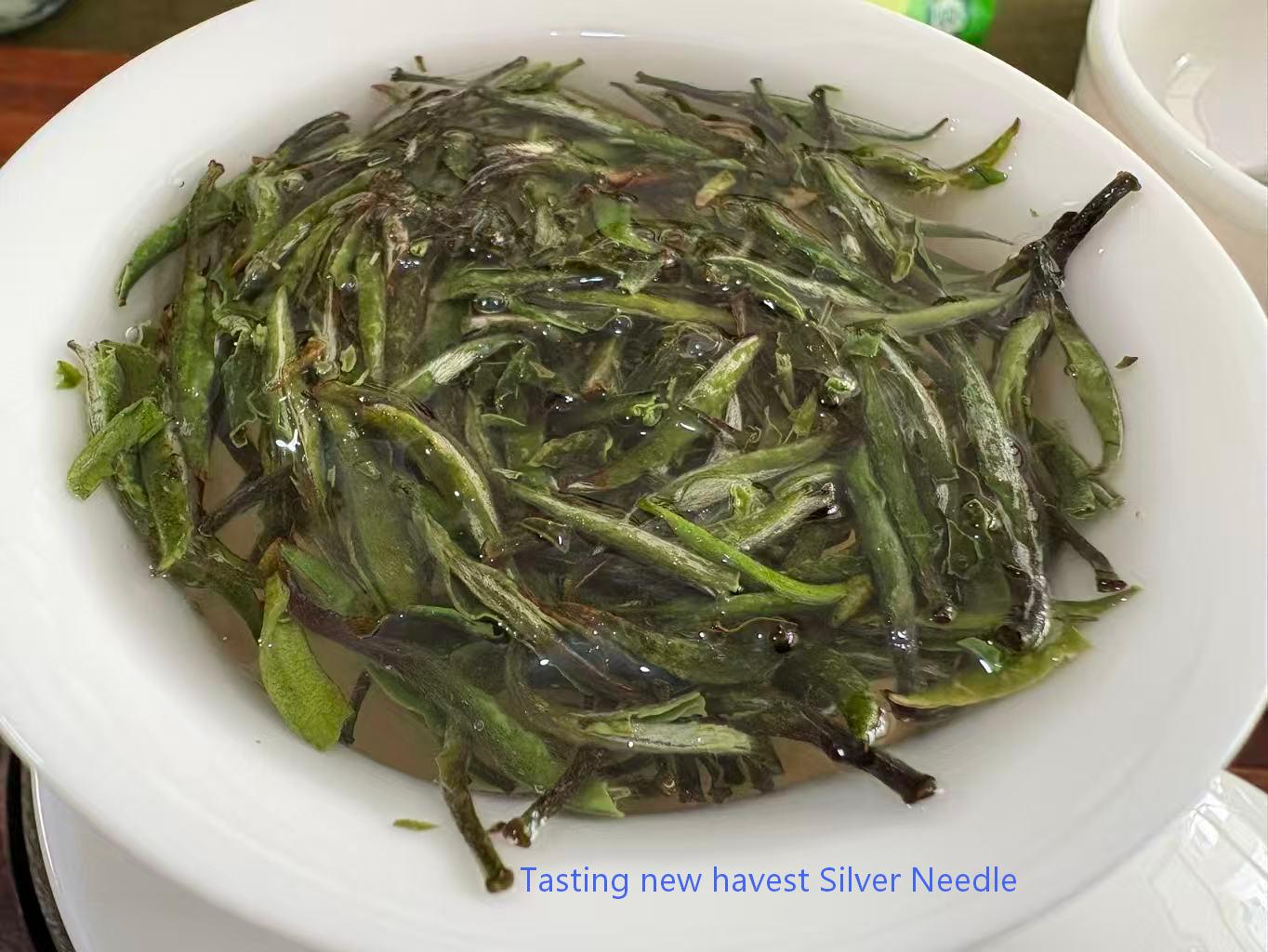
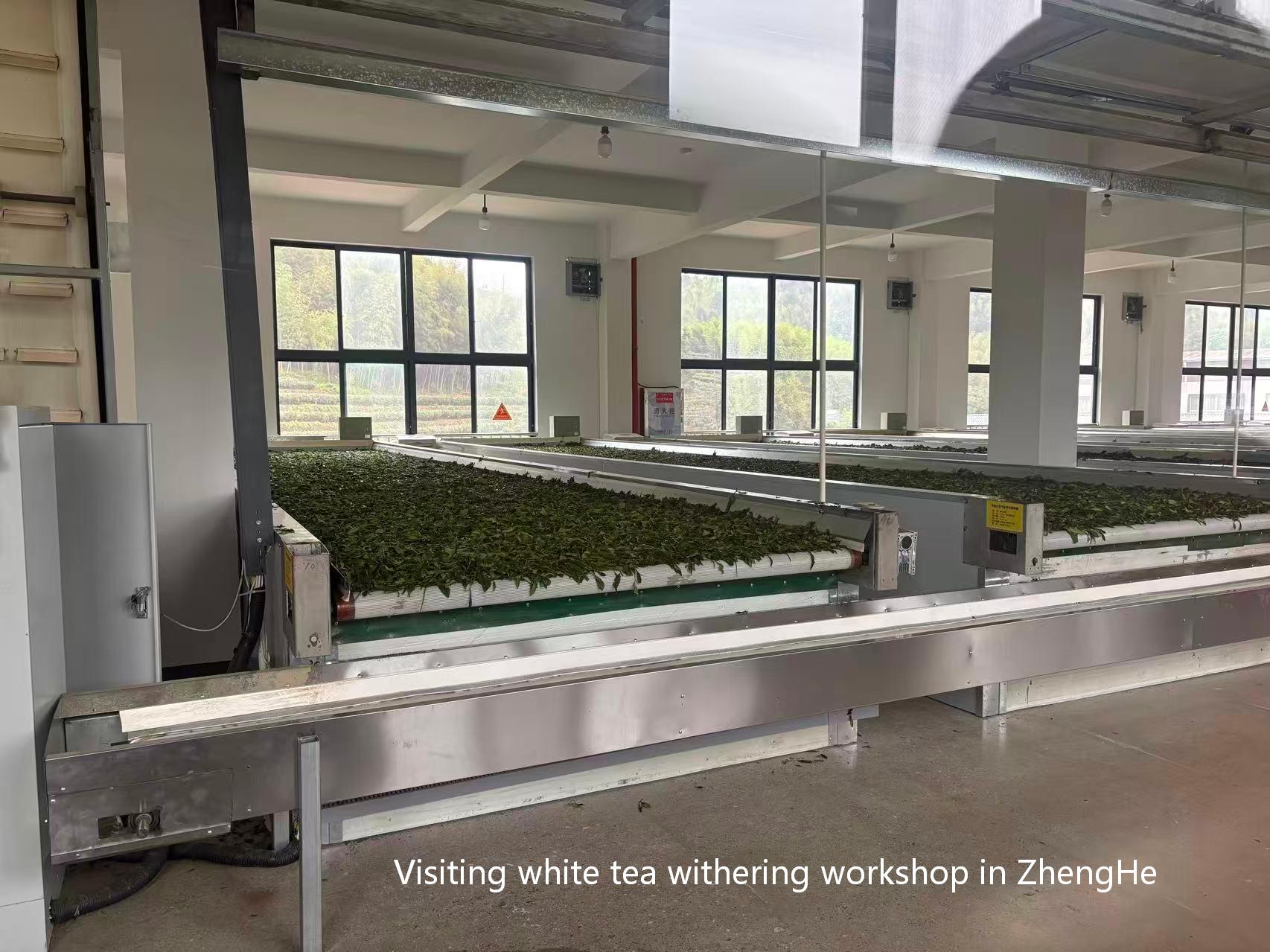
In Zhenghe, Fujian, we tasted the season’s freshly made white teas and visited a local tea factory to see how the new harvest was being processed.
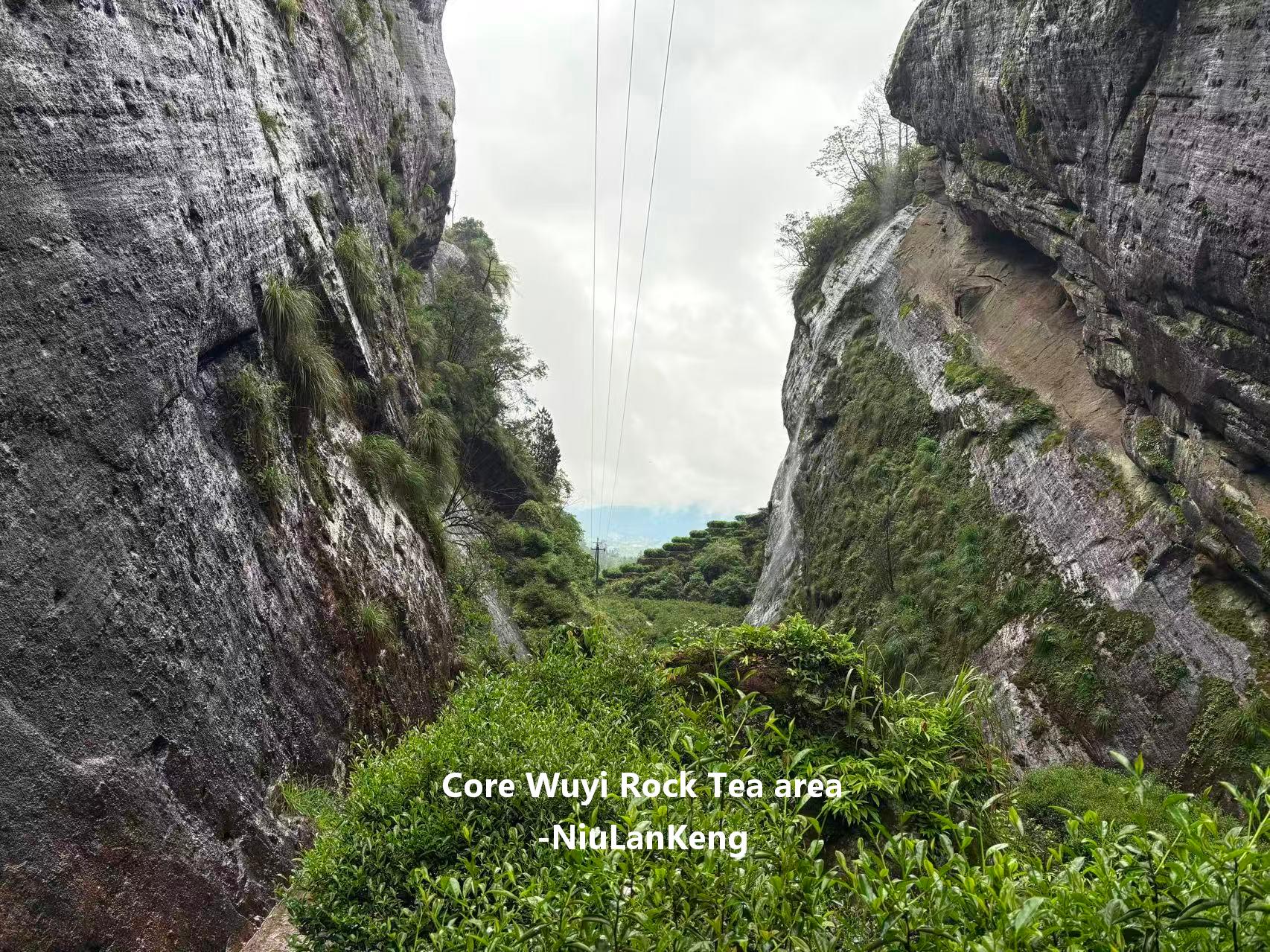
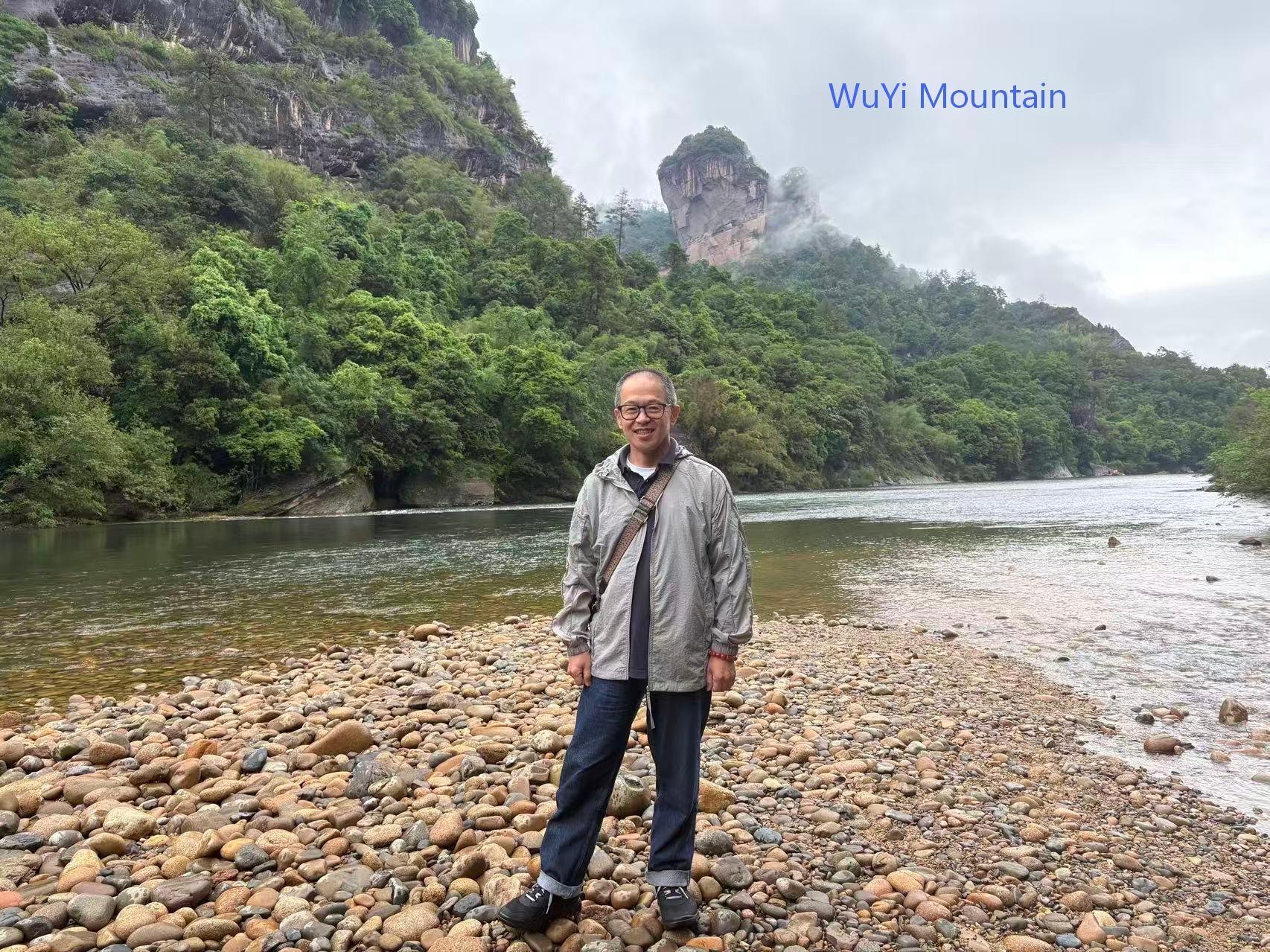
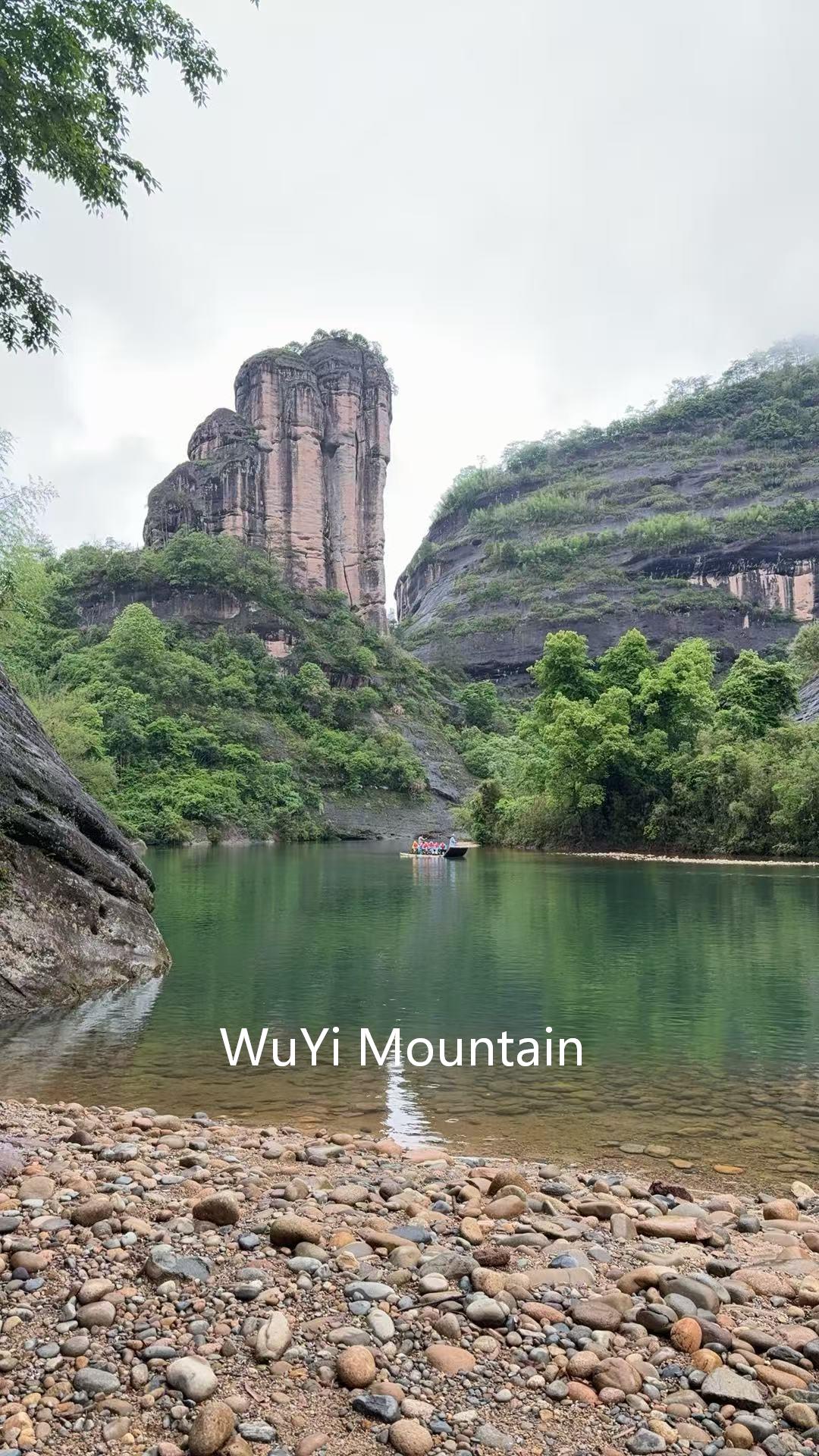
We then continued into the Wuyi Mountains, tasting Wuyi Rock Tea among the mountains where it is grown and visiting the renowned Niulankeng, experiencing firsthand the landscape and environment behind some of Wuyi’s most celebrated teas.
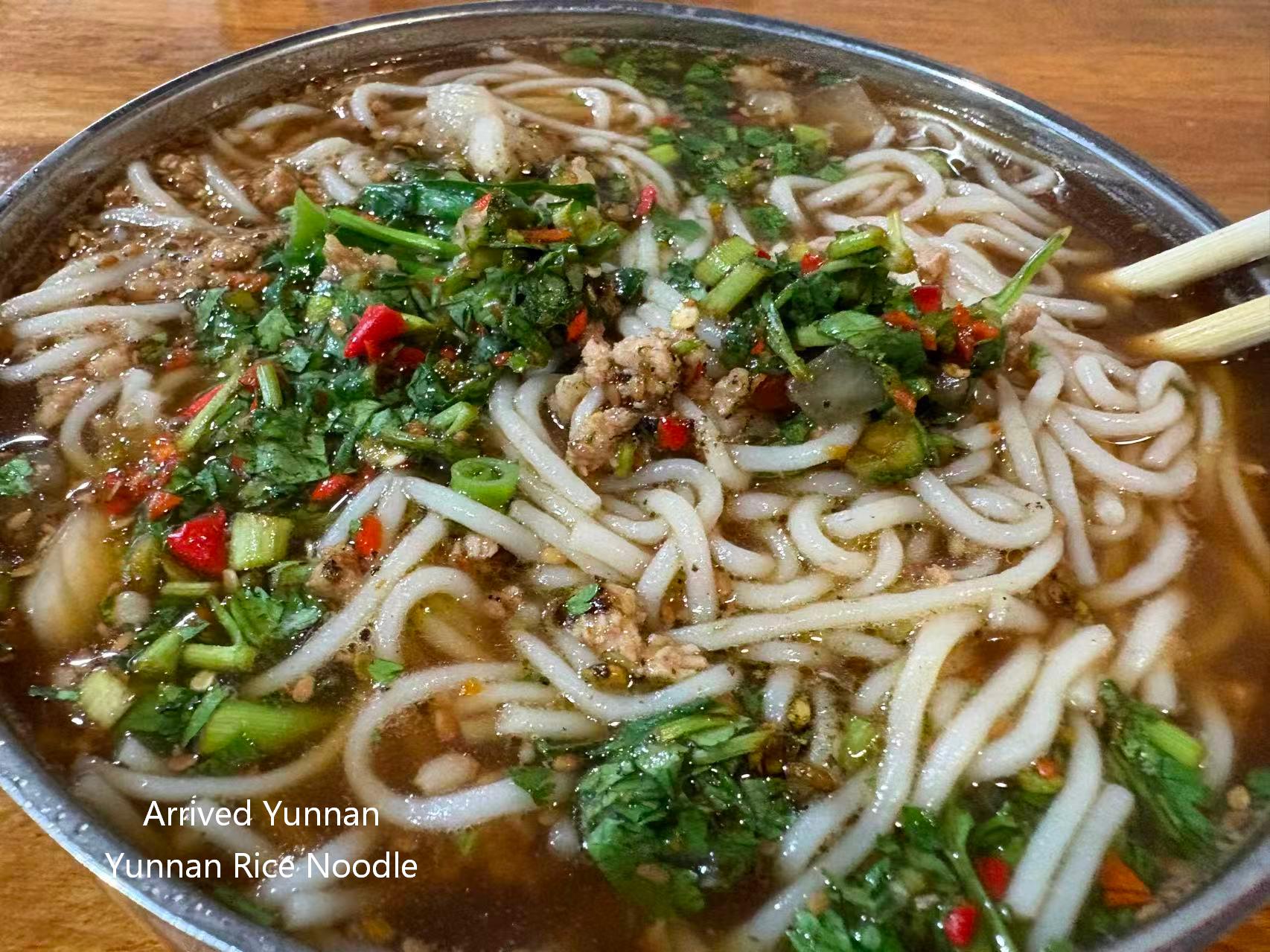
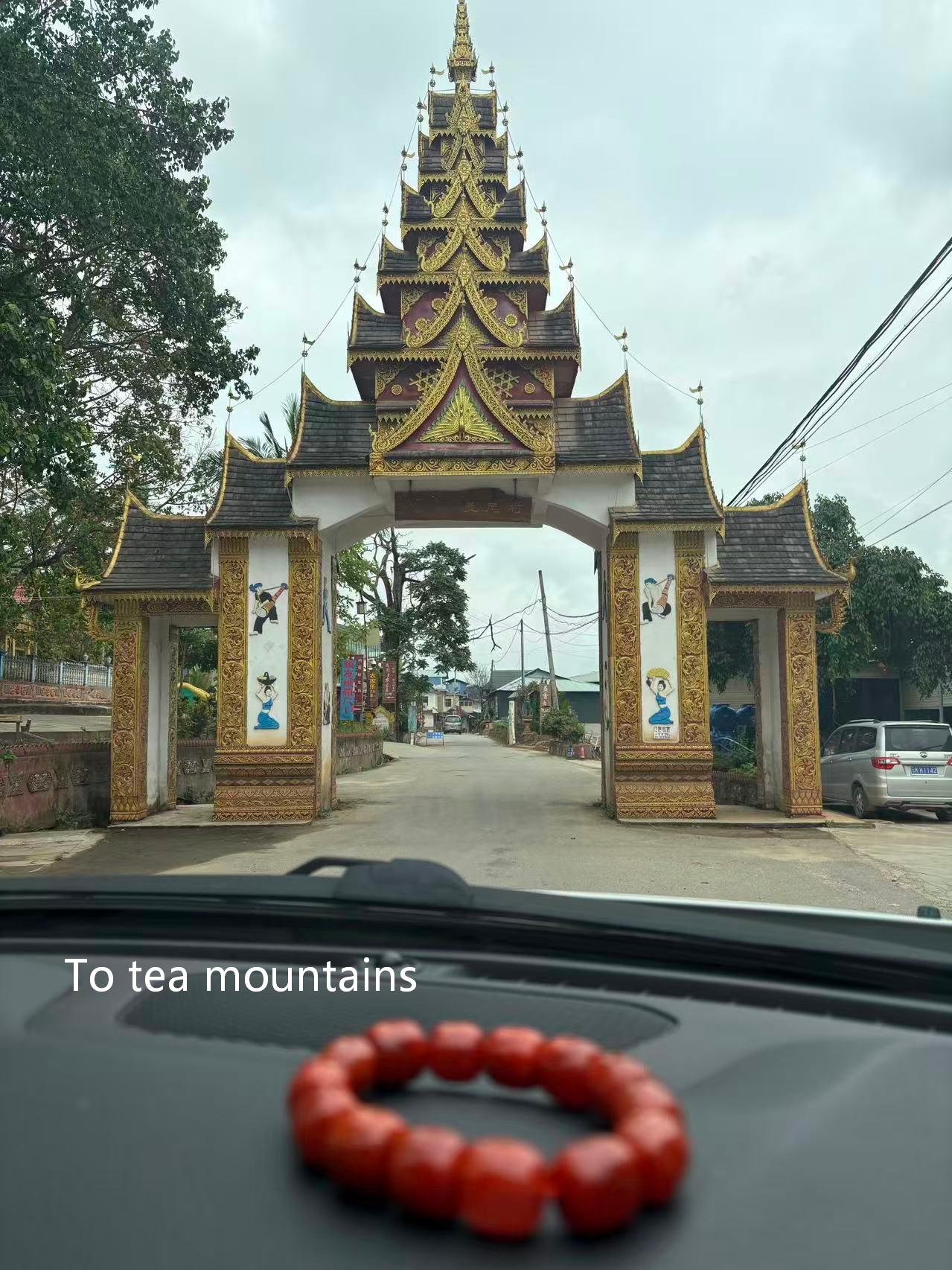
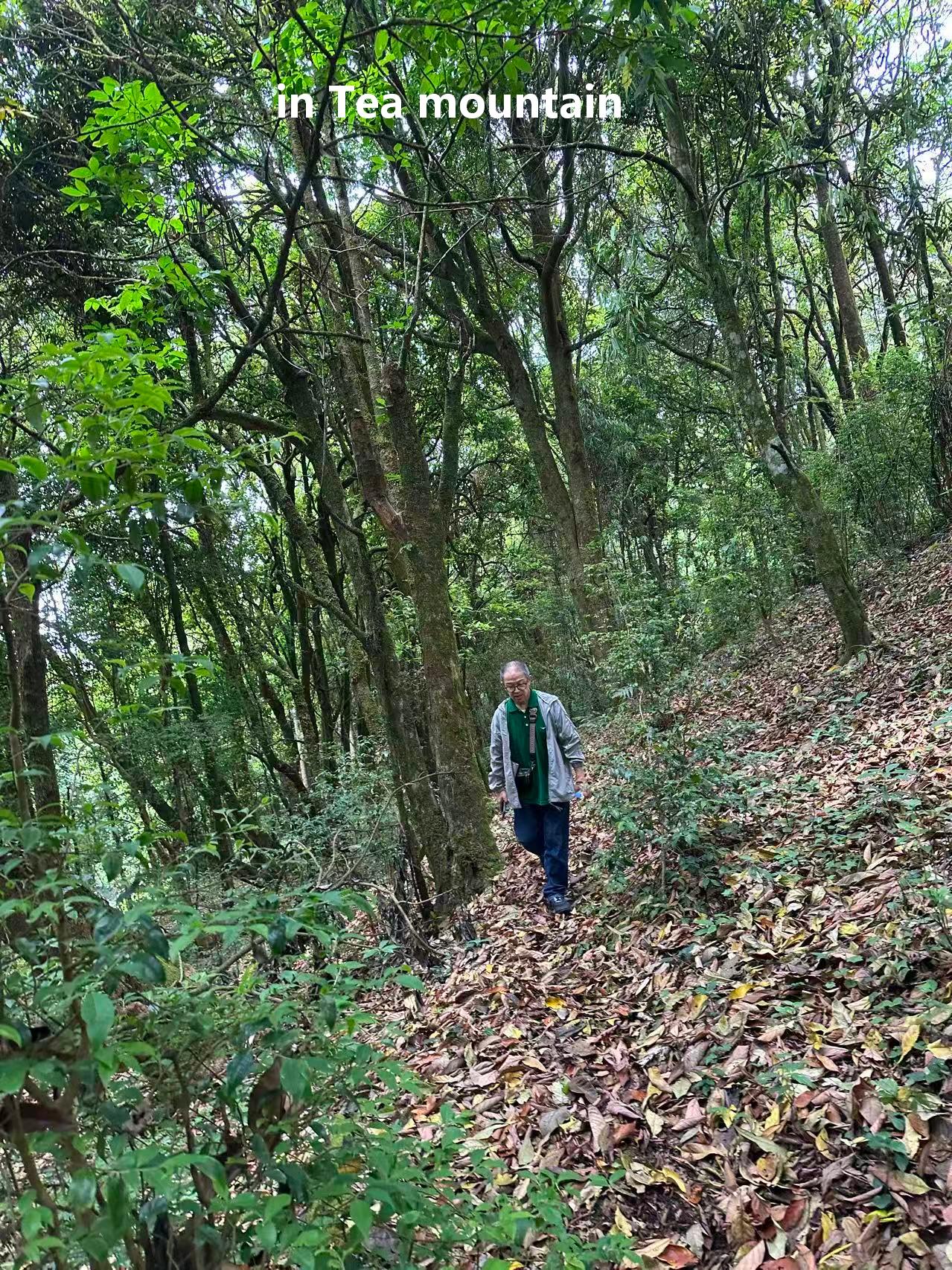
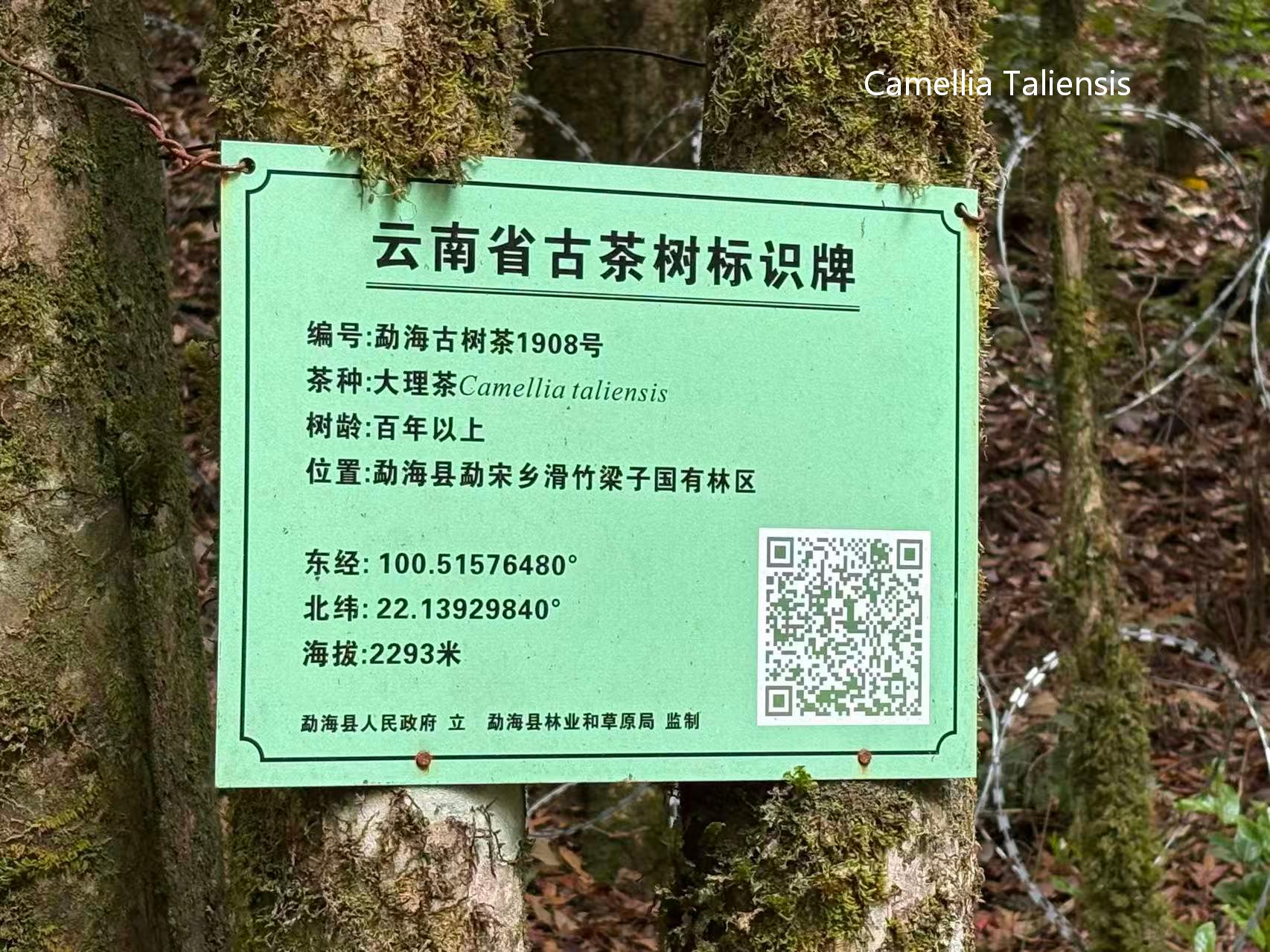
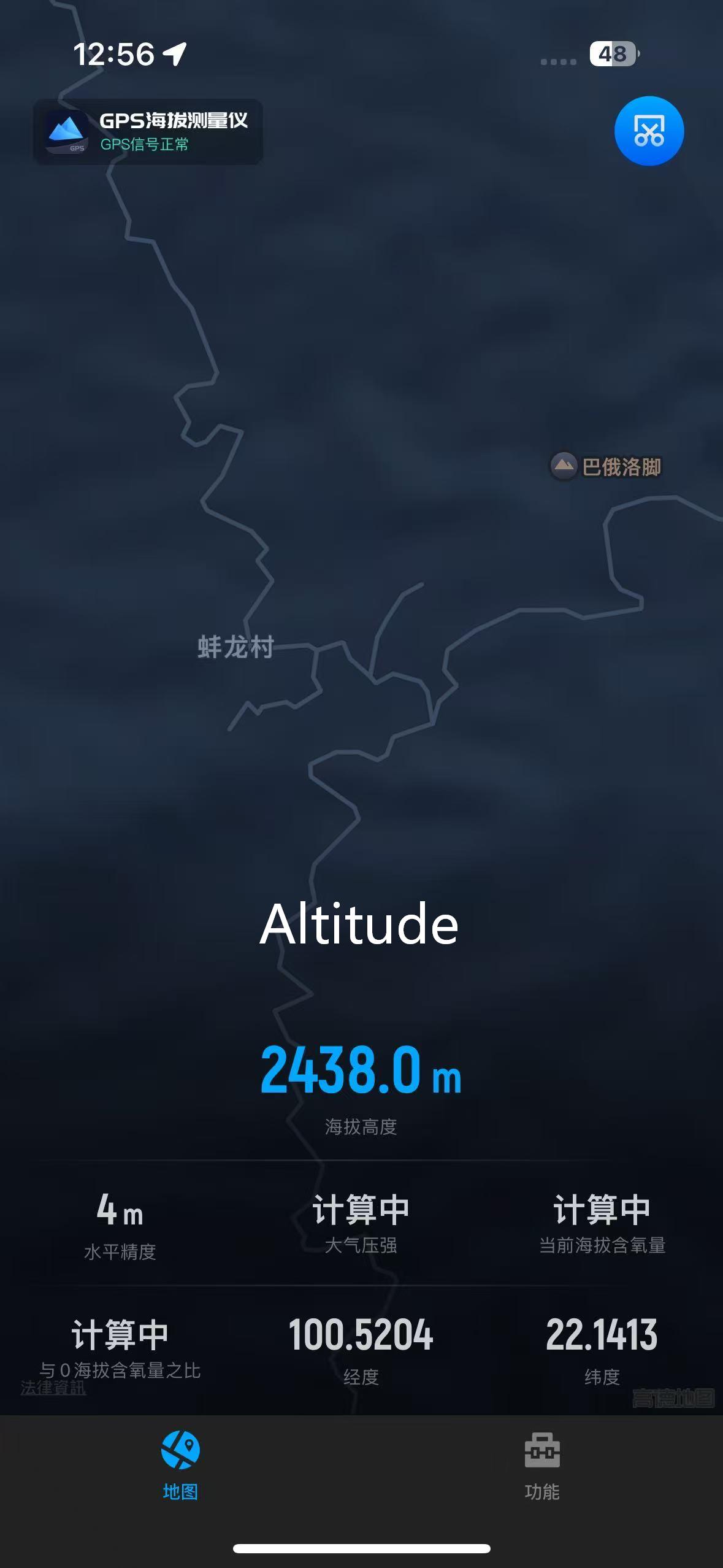
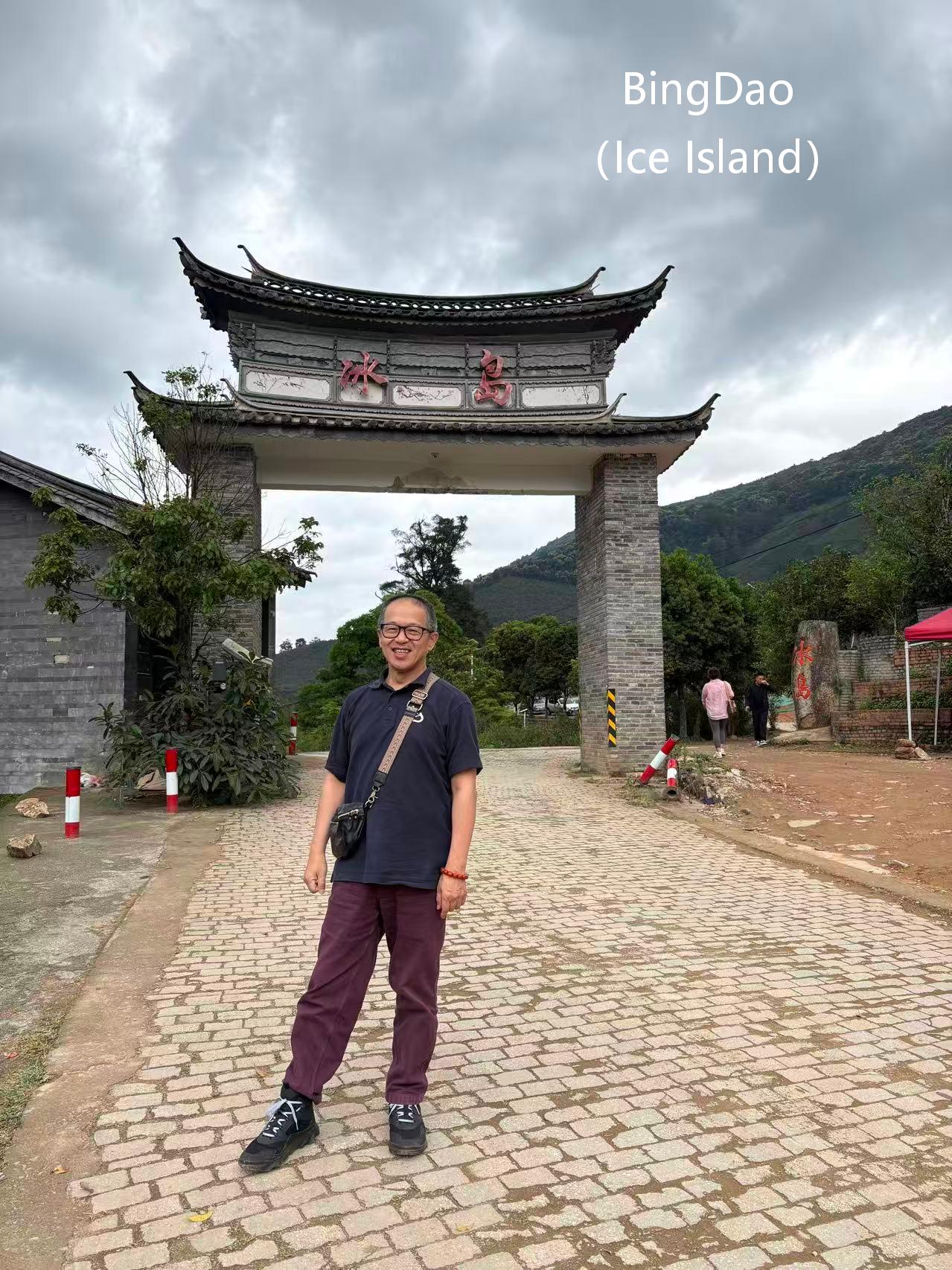
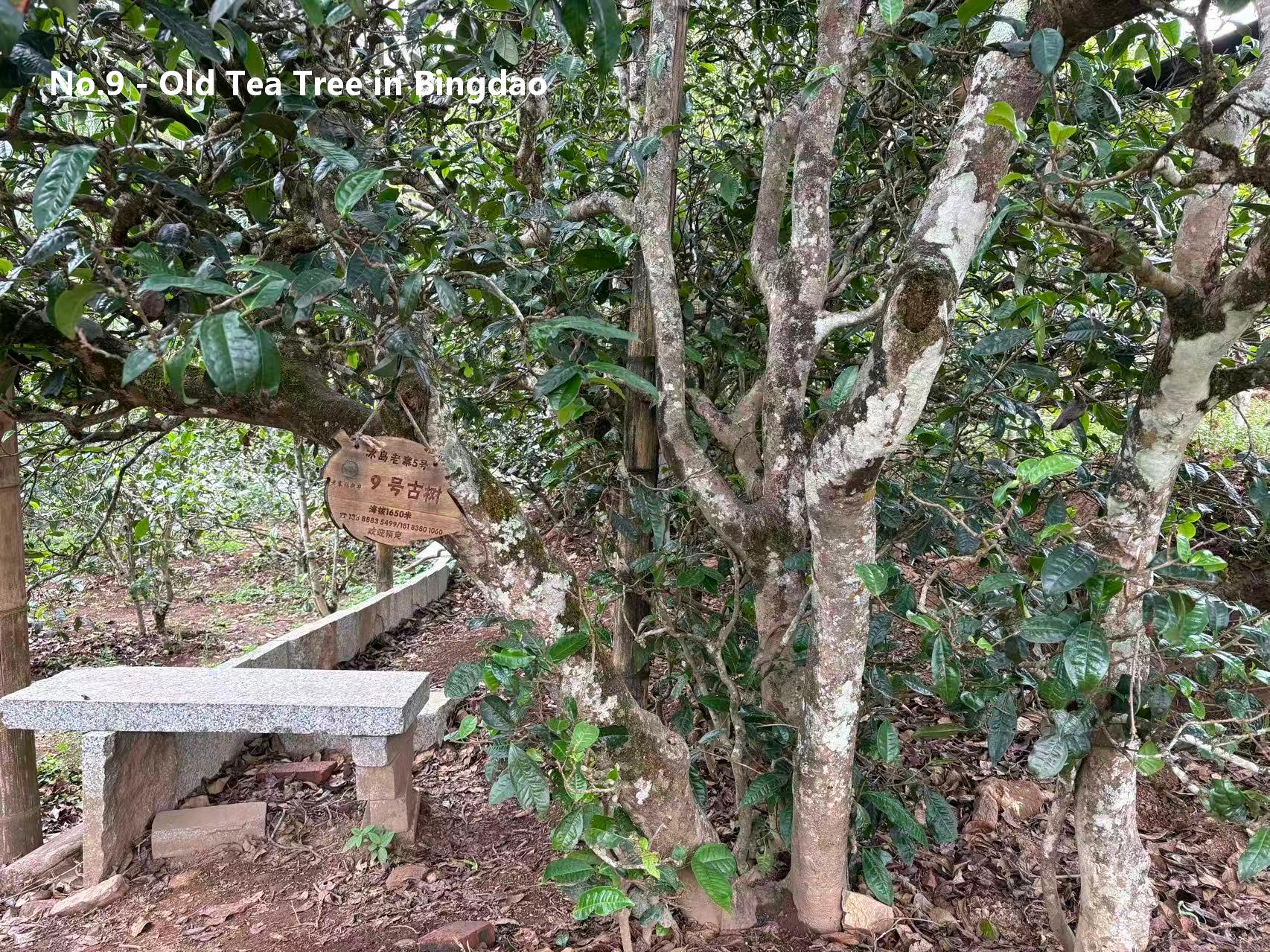
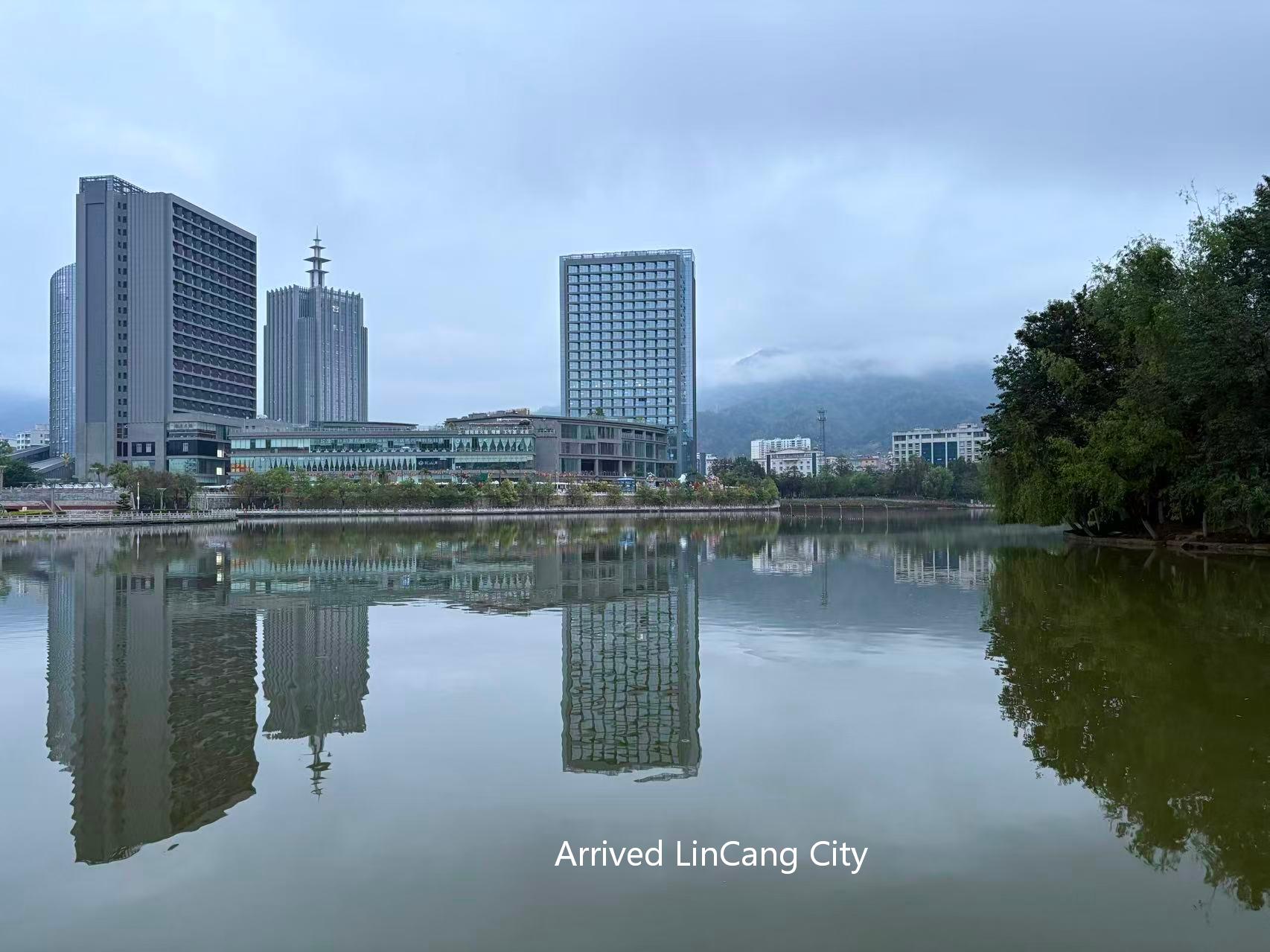
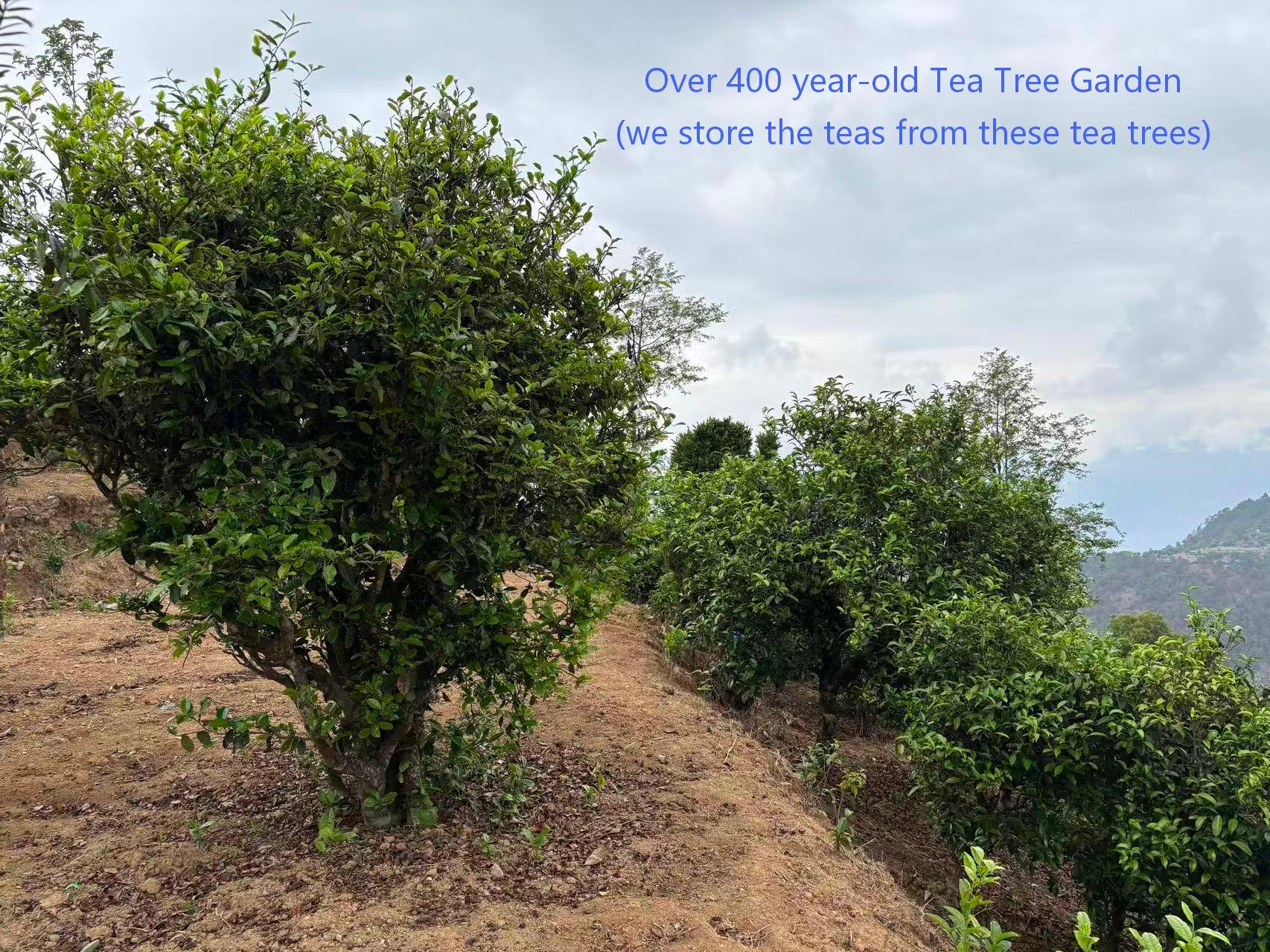
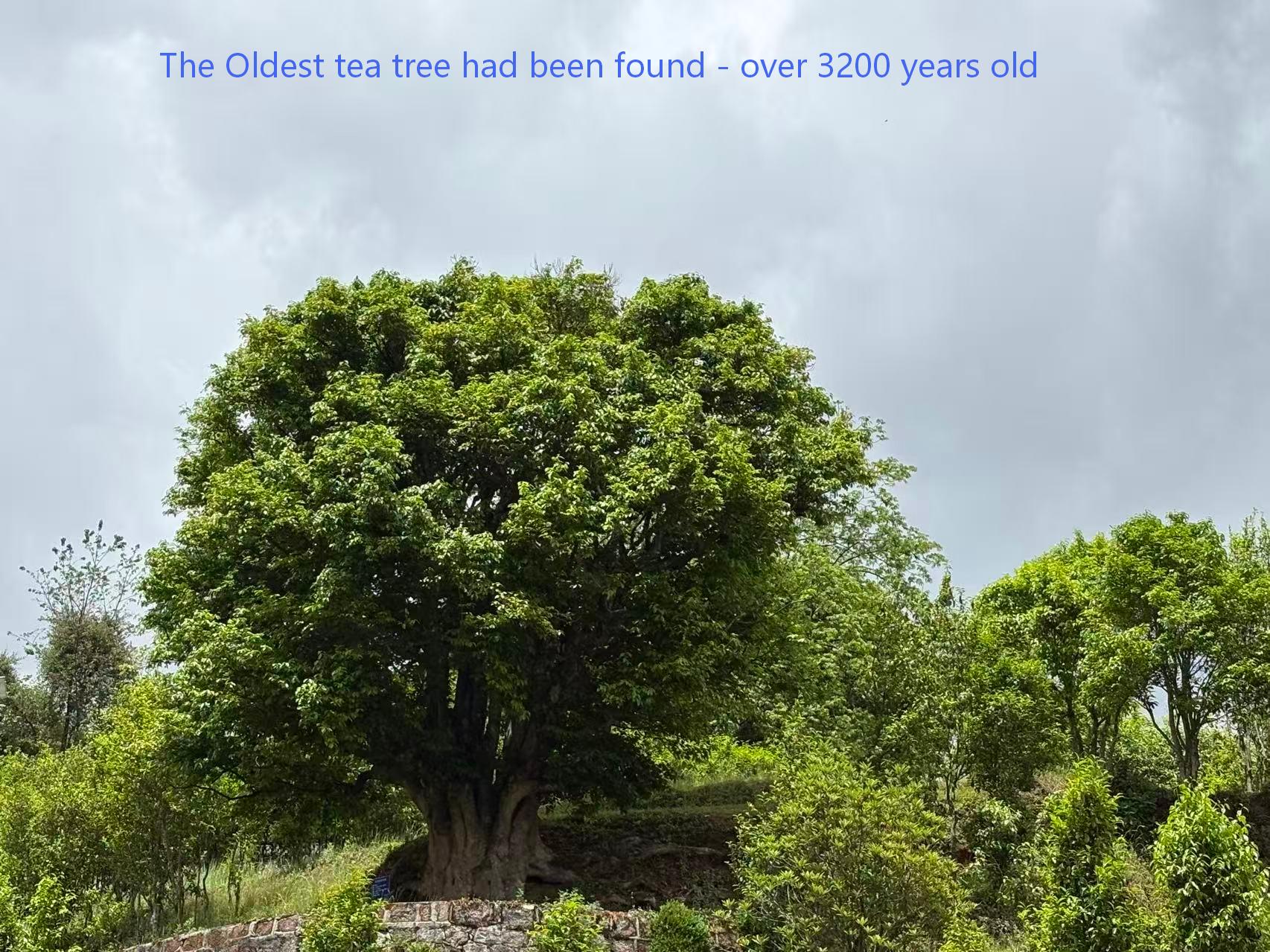
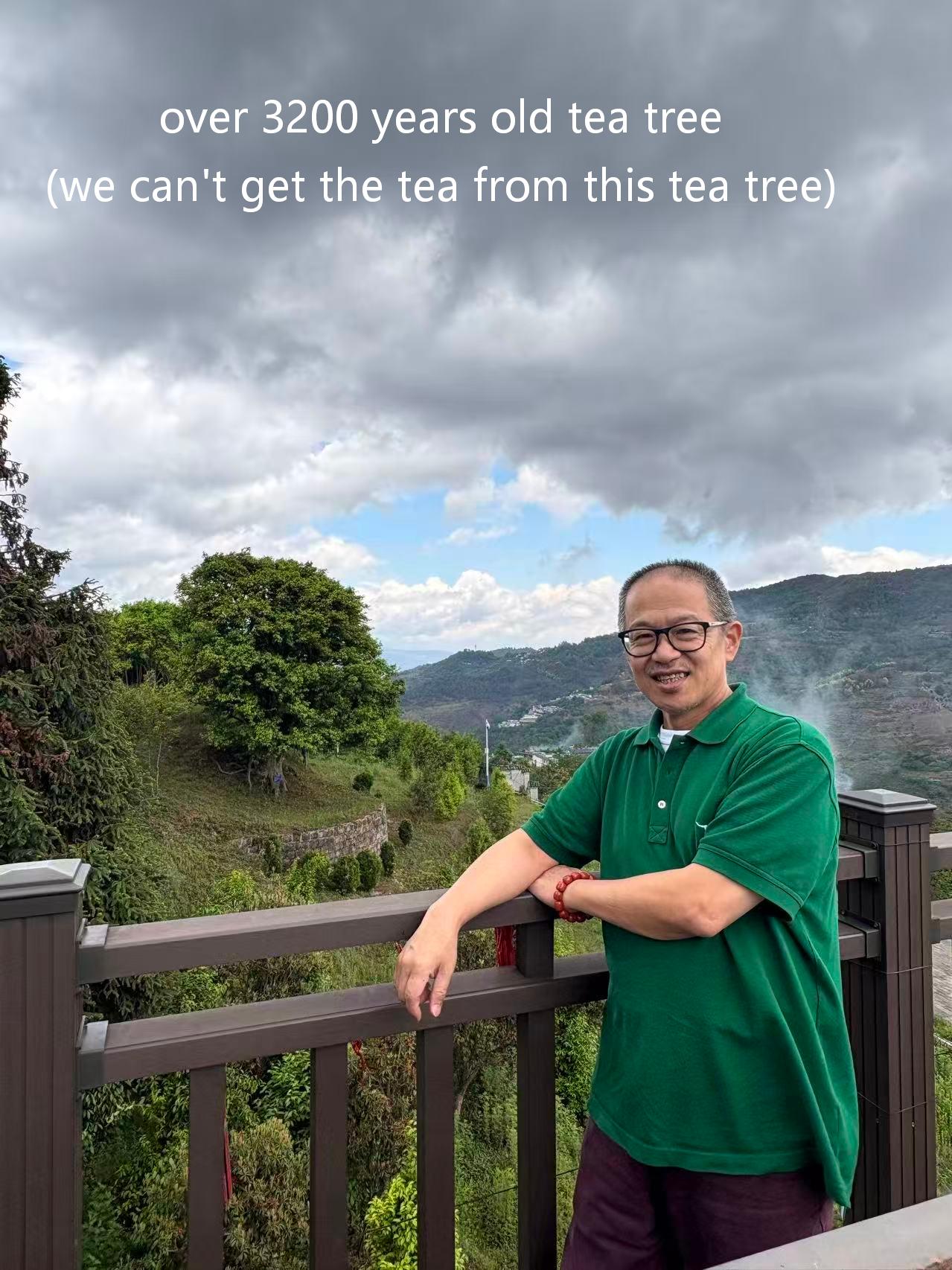
The journey then took us deep into Yunnan — from Huazhu Liangzi, at more than 2,400 metres above sea level, to Bingdao Laozhai and the ancient tea regions of Lincang, before reaching Fengqing and the remarkable Jinxiu Chazun (锦秀茶尊), an ancient cultivated tea tree believed to be more than 3,200 years old.
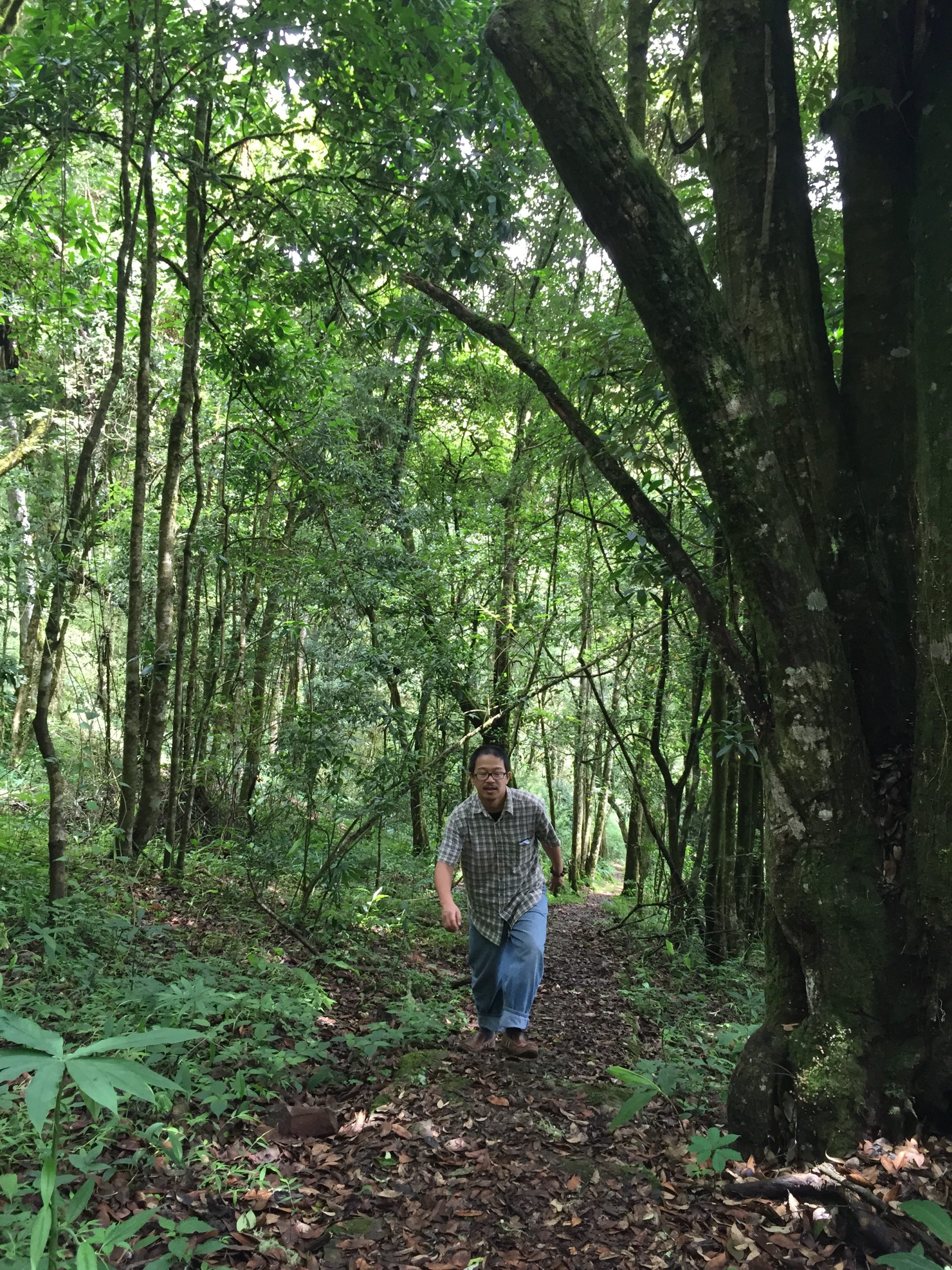
This journey also gave me a new understanding of what we call ancient tree tea.
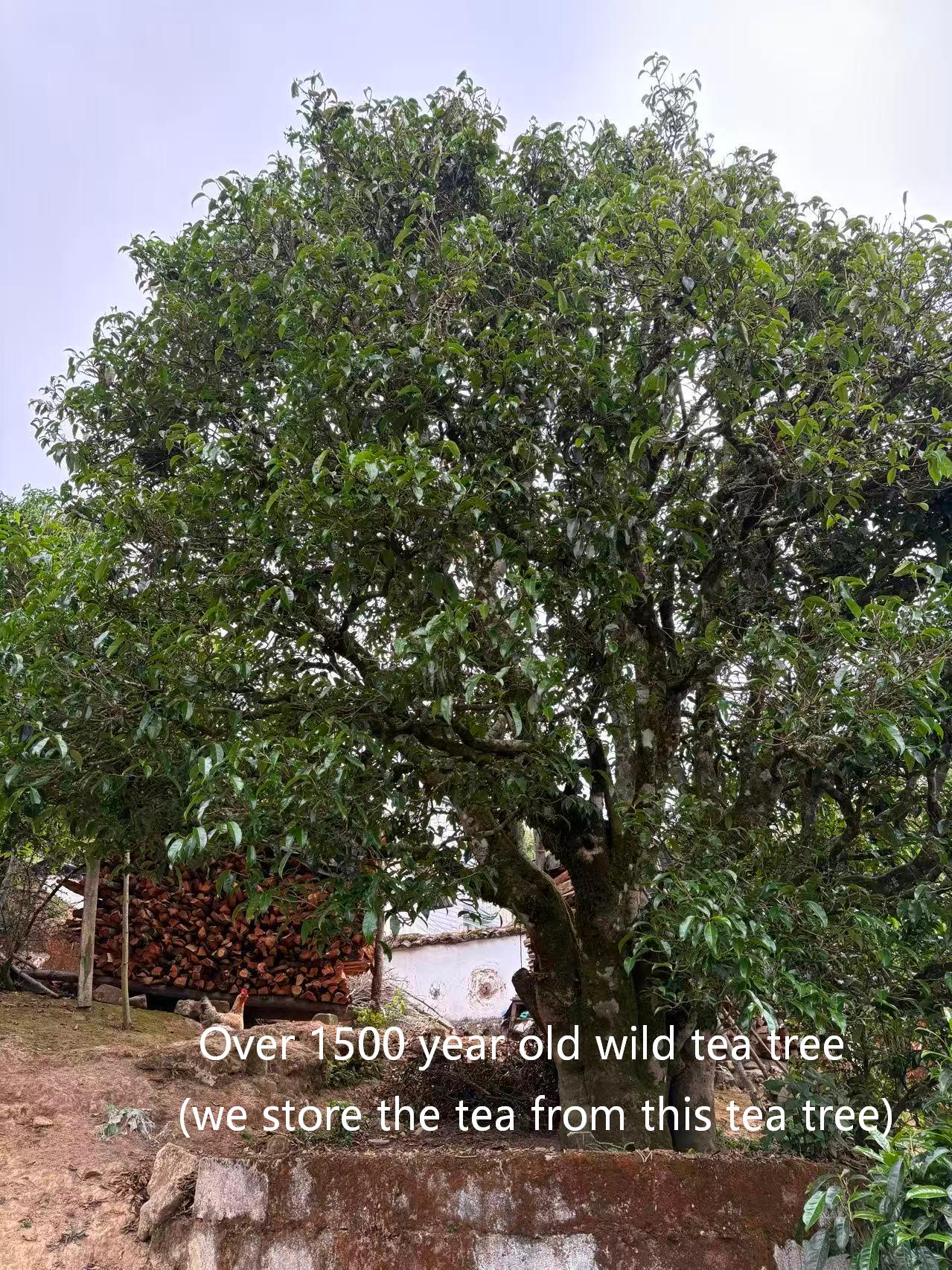
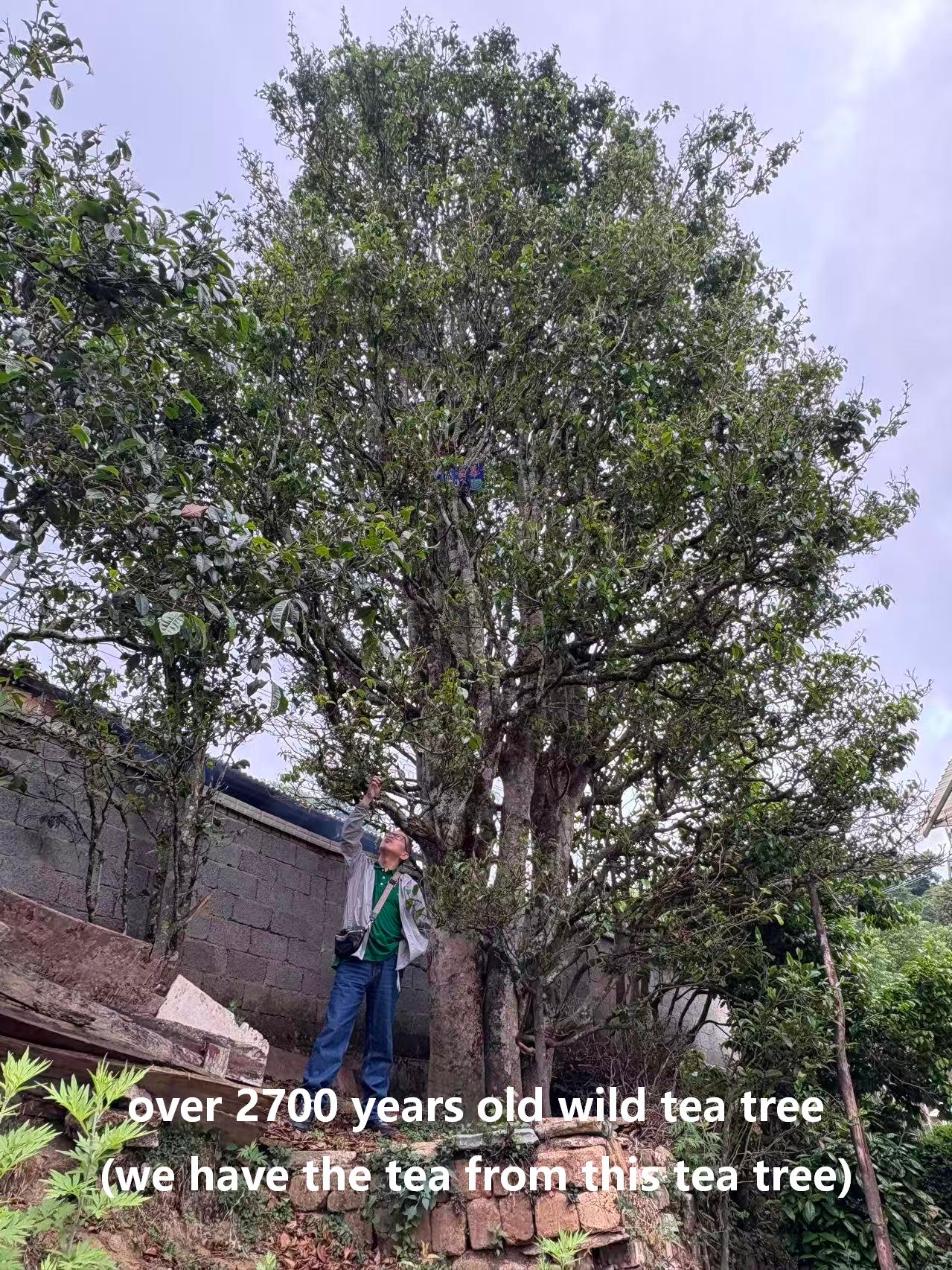
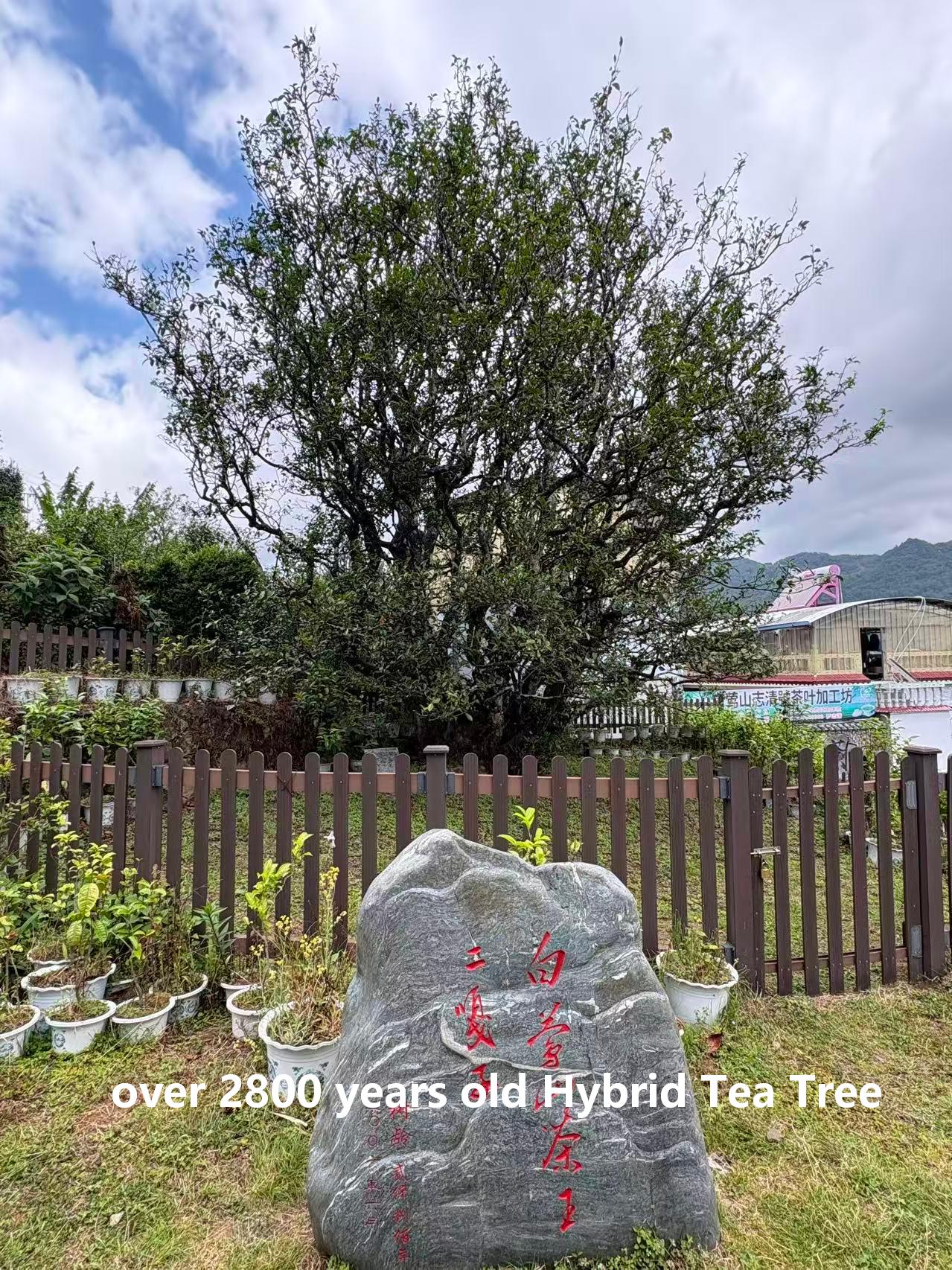
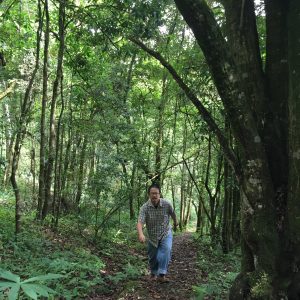
Along the way, I encountered a number of tea trees believed to be more than a thousand years old, including a remarkable wild tea tree estimated at around 2,700 years old, as well as several 2,700+ year-old wild tea trees in Baiyingshan.
In the past, encountering a celebrated “King Tea Tree” of around 1,200 years old on a famous tea mountain would have seemed extraordinary. Yet in Lincang, standing among ancient trees believed to have survived for two or even three thousand years completely changed my sense of scale.
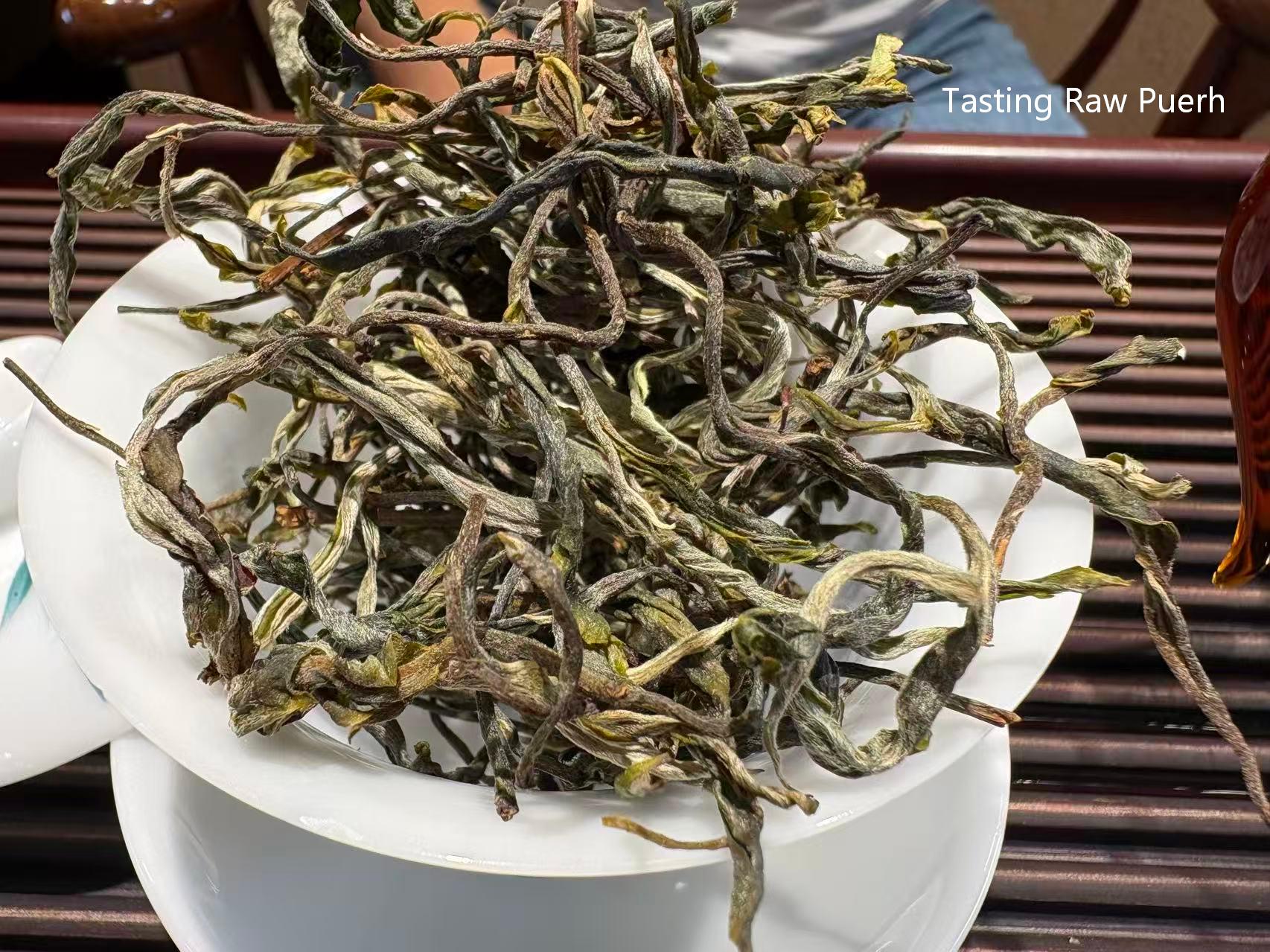
For me, it was not simply about finding older and older trees. It led me to think more deeply about the relationship between tree age, variety, growing environment and the character we ultimately experience in the cup.
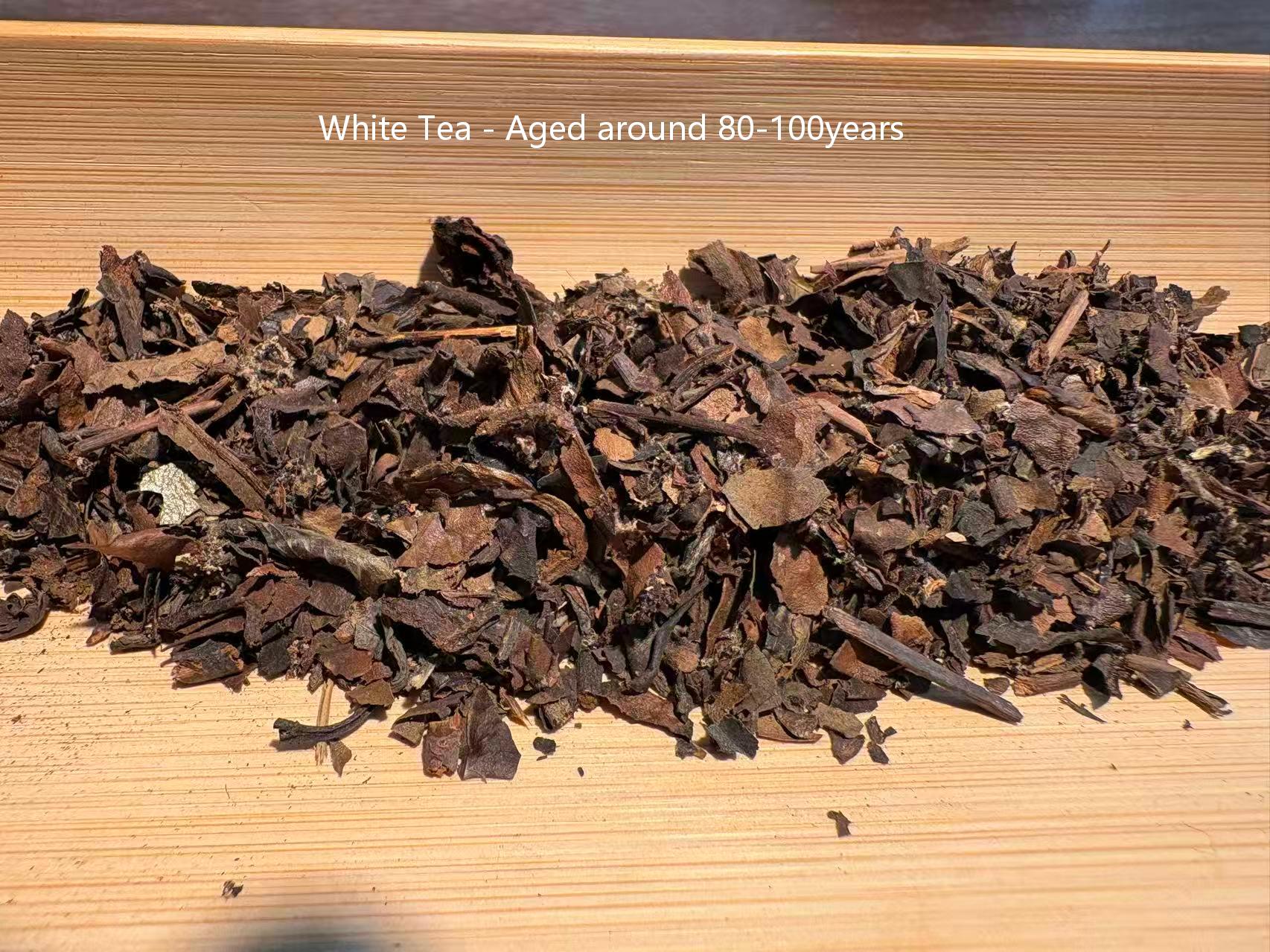
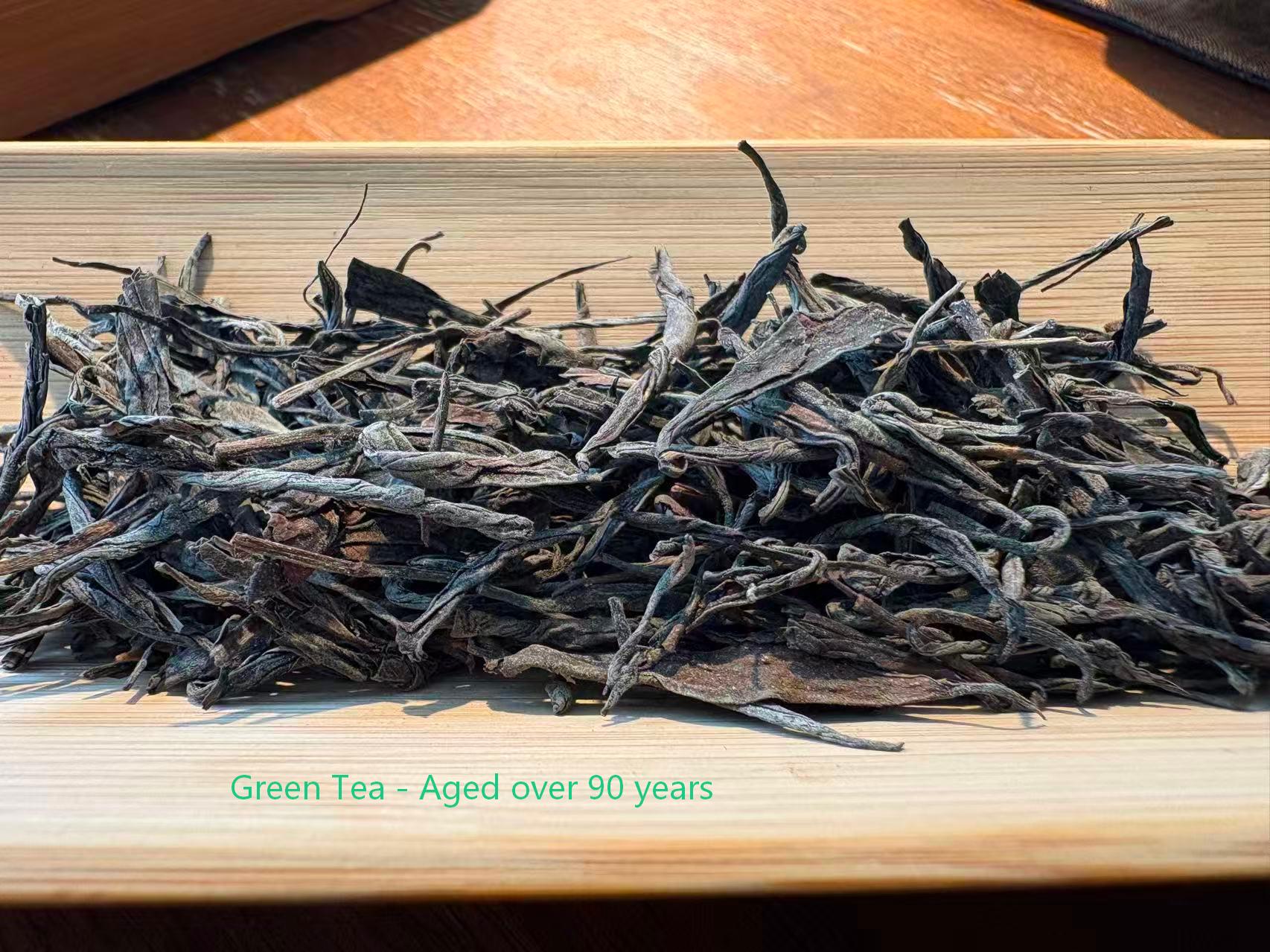
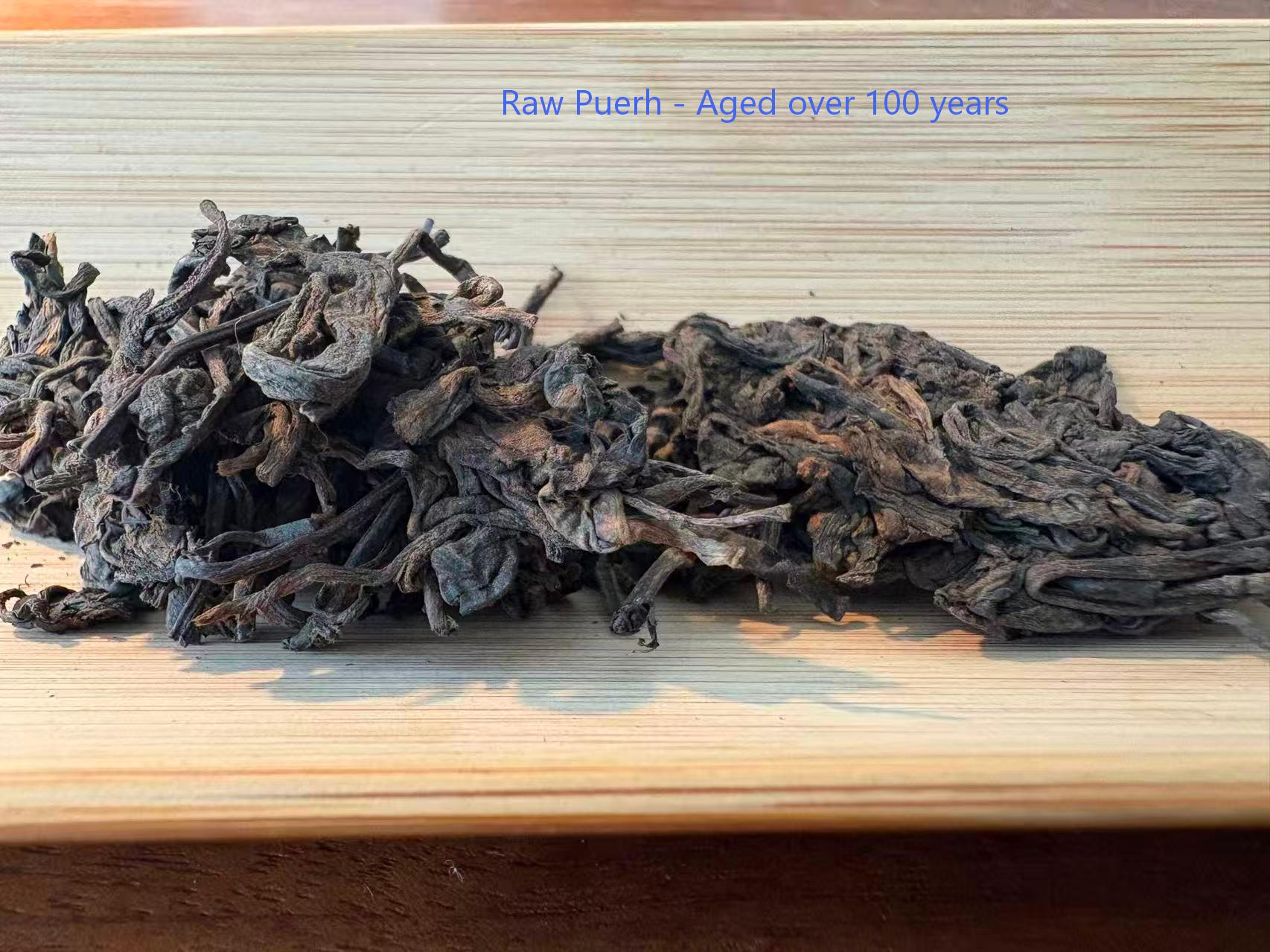
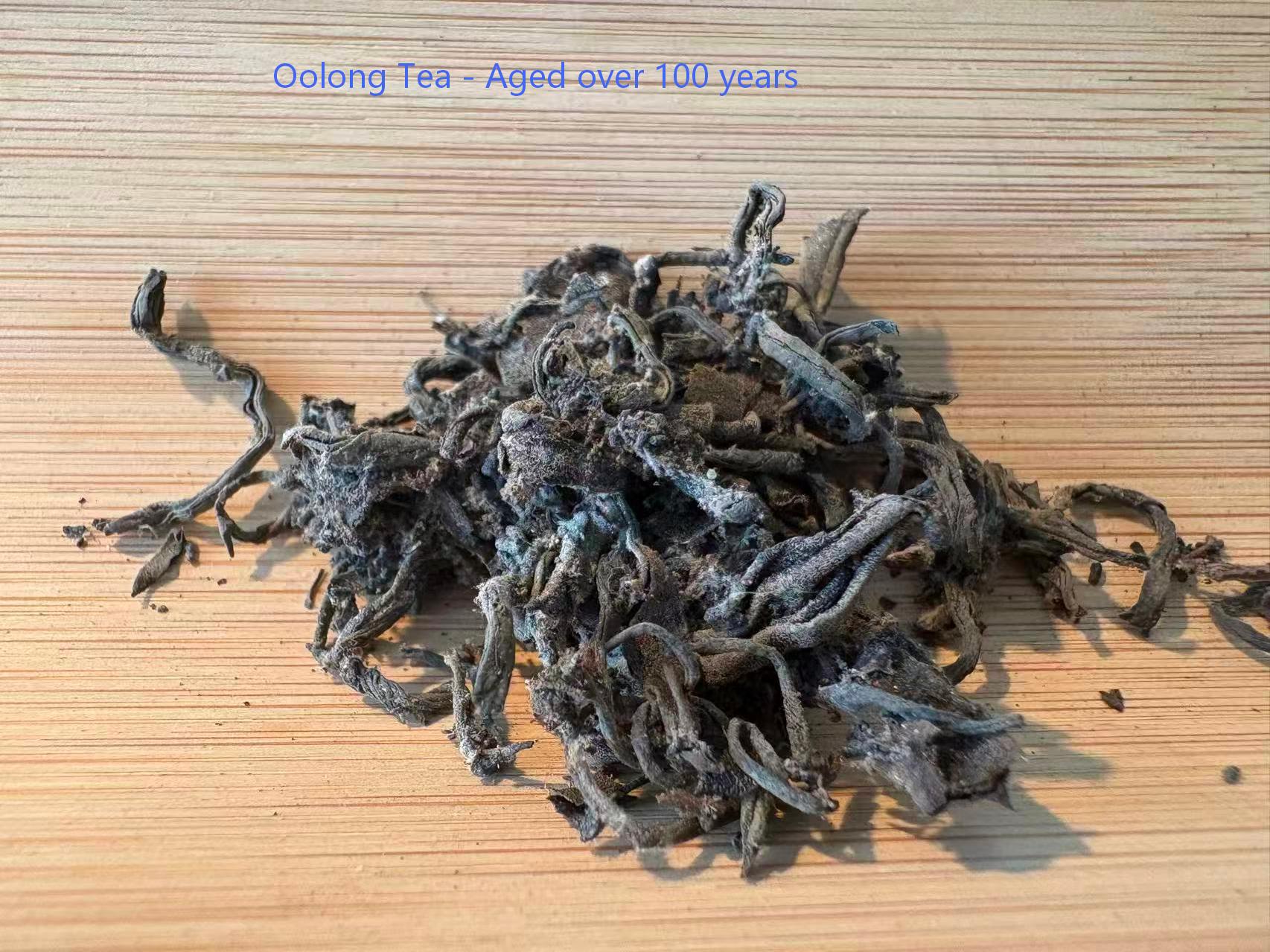
Leaving Yunnan on 5 May, we travelled to Hangzhou, where another memorable experience awaited us — tasting exceptionally old teas, including tea that had been aged for around a century.
On 11 May, we returned to Sydney via Guangzhou, bringing home not only tea, but a deeper understanding of the landscapes, people, craftsmanship and living tea cultures behind every cup.
These longer journeys are my own way of continuing to explore and learn. When I lead a MY Teahouse Tea Journey, I usually select around 10 days from these experiences, depending on the season, tea harvest and local conditions — sharing some of the places, people and tea experiences that I have found most meaningful.
Out of stock
Every tea journey brings me something new — a deeper understanding of tea, new people and places, and often a different way of looking at what I thought I already knew.
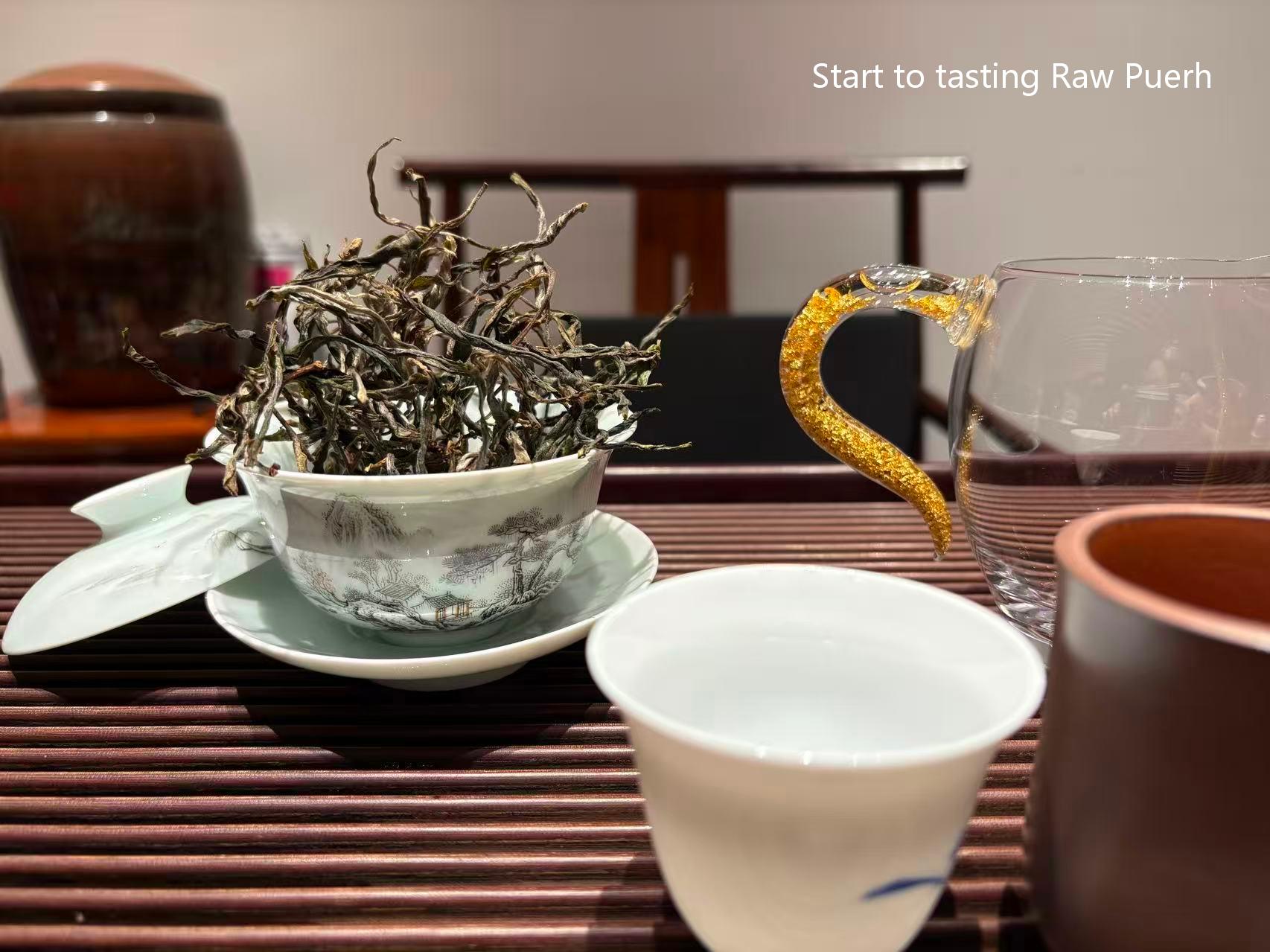
My 2025 journey lasted around three weeks, travelling through several of China’s important tea regions. From new-season white tea and Wuyi Rock Tea to the ancient tea trees of Yunnan, each stop added something new to my understanding of Chinese tea.

02 7900 6234
0414 331 626
129-133 Military Rd,
Neutral Bay NSW 2089
Tue – Sat: 9:30am – 5:30pm
Sun – Mon: By Appointment
Reviews
There are no reviews yet.